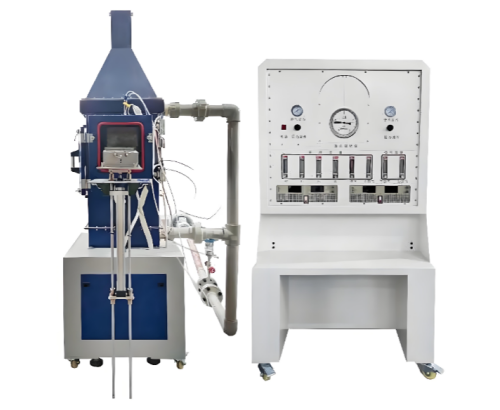
Capillary Rheometer
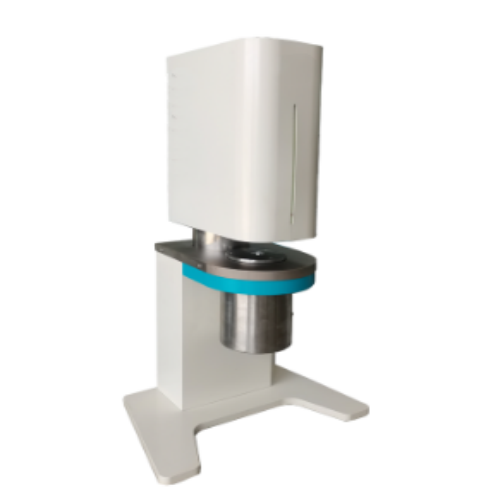


The Capillary Rheometer is a computer-controlled laboratory instrument used for determining the rheological properties of molten plastics and polymer materials under controlled temperature, pressure, and shear conditions. The instrument measures shear rate, melt flow behavior, and apparent viscosity by forcing molten material through precision capillary dies. It adopts a single-column, single-indenter structure with integrated heating and servo-driven loading, ensuring stable operation, accurate measurement, and compliance with international testing standards.
Application
(1) Measurement of shear rate and apparent viscosity of thermoplastic materials under specified temperature and shear stress conditions.
(2) Determination of melt flow characteristics of thermosetting polymer materials during controlled extrusion.
(3) Rheological evaluation under constant pressure, constant speed, constant temperature, and variable heating rate conditions.
(4) Comparative analysis of processing performance for extrusion and injection molding applications.
(5) Research and development of polymer formulations, modifiers, and additives.
(6) Quality control and batch consistency verification in polymer manufacturing.
(7) Rheological testing for industrial laboratories, academic research, and material certification institutions.
Standards
(1) DIN 54811 — Plastics — Determination of Flow Behavior Using Capillary Rheometers
(2) ASTM D3835 — Standard Test Method for Determination of Rheological Properties of Thermoplastics Using a Capillary Rheometer
(3) ISO 11443 — Plastics — Determination of the Fluidity of Plastics Using Capillary and Slit-Die Rheometers
System Composition
(1) Single-column swing-head frame structure ensuring mechanical strength and convenient cleaning.
(2) Precision transmission system using Taiwan-brand ball screw for accurate force and displacement transfer.
(3) AC servo drive system providing precise speed and pressure control.
(4) Integrated barrel heating unit using spiral heating wire to ensure uniform temperature distribution.
(5) High-precision pressure and displacement sensing system.
(6) Computer-based measurement and control system with real-time data acquisition and analysis software.
(7) User interface enabling test mode selection, parameter configuration, curve display, data storage, and printing.
Technical Parameters
| Item | Specification |
|---|---|
| Temperature range | Room temperature to 400 ℃ |
| Heating rate | 1–10 ℃/min, continuously adjustable |
| Temperature resolution | 0.1 ℃ |
| Pressure range | 1–50 MPa |
| Pressure accuracy | ±0.5 % FS |
| Pressure resolution | 0.1 MPa |
| Maximum driving force | 10 kN |
| Speed range | 0.01–500 mm/min |
| Deformation measurement accuracy | ±0.5 % FS |
| Standard plug head diameter | Φ12 mm |
| Plug head area | 113.04 mm² |
| Capillary die specifications | Ø1 × 5 mm, Ø1 × 10 mm, Ø1 × 20 mm, Ø1 × 40 mm |
| Capillary die material | Tungsten carbide |
| Power supply | AC 220 V, 50 Hz |
| Rated power | < 1000 W |
Optional Configurations
(1) Low-temperature or high-temperature extended versions.
(2) Customized pressure ranges according to test requirements.
(3) Customized plug head diameters and geometries.
(4) Additional or special capillary die dimensions and L/D ratios.
(5) Enhanced data processing and reporting software modules.
Maintenance
(1) Clean the barrel, plug head, and capillary dies immediately after testing.
(2) Regularly inspect heating elements and temperature sensors for accuracy.
(3) Periodically calibrate pressure and displacement sensors.
(4) Maintain lubrication of mechanical transmission components.
(5) Keep the control software updated and back up test data regularly.
(6) Store precision dies and accessories in a clean, dry environment.
FAQ
(1) What does a capillary rheometer measure?
It measures rheological properties such as shear rate, viscosity, and melt flow behavior of polymer materials.
(2) What materials can be tested?
Thermoplastics, thermosetting polymers, and polymer composites.
(3) Why is rheological testing important?
It helps predict processing behavior in extrusion and injection molding, ensuring product quality and consistency.
(4) Is the system suitable for research and industrial use?
Yes, it is widely used in laboratories, universities, and manufacturing environments.
(5) How is measurement accuracy ensured?
Each instrument undergoes strict factory inspection and performance verification to ensure accurate, stable, and repeatable test results.
Leave Message Get Price