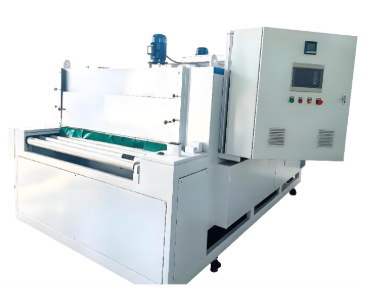
Horizontal Fire Resistance Furnace for Building Components
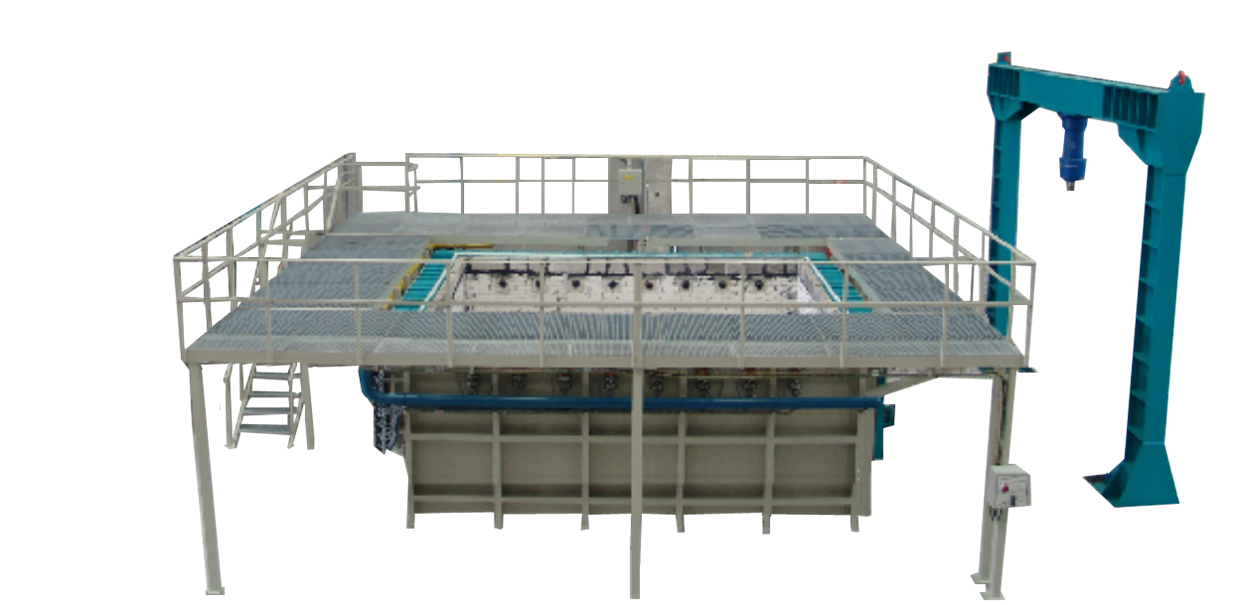


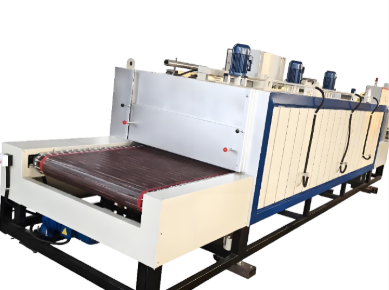
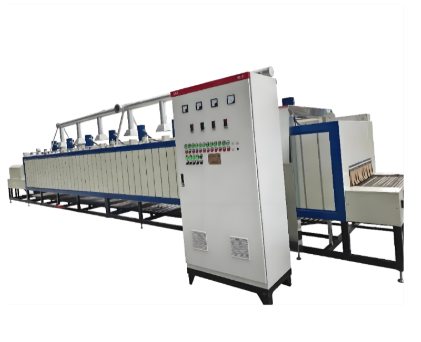
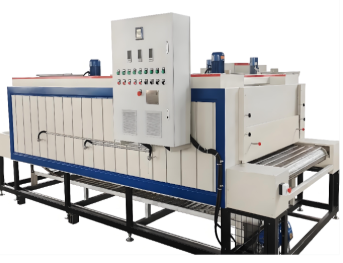
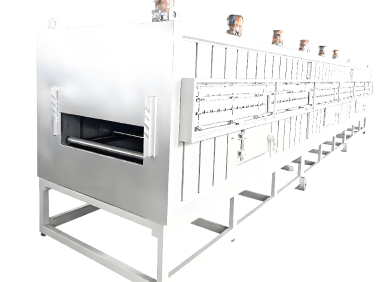
The Horizontal Fire Resistance Furnace for Building Components is designed to evaluate the fire resistance performance of horizontally oriented building structures under standardized fire exposure conditions. It quantitatively assesses the ability of construction elements to withstand high temperatures by measuring loadbearing capacity, fire integrity, flame control, and heat transfer performance. Designed in accordance with EN 1363-1, EN 1363-2 (hydrocarbon fire curve), and ISO 834, this furnace provides a reliable and accurate testing platform for regulatory compliance, safety evaluation, and fire performance verification of horizontal structural components.
Applications
The furnace is suitable for horizontal fire resistance testing of a wide range of building components and assemblies, including:
(1) Horizontal loadbearing and non-loadbearing floor assemblies
(2) Beams, slabs, columns, and structural supports
(3) Suspended ceilings and roof elements
(4) Cable trays and service support systems
(5) Horizontal penetration seals and fire-stopping systems
(6) Industrial platforms and structural frames
(7) Prefabricated floor panels and composite slabs
(8) Customized horizontal assemblies requiring standard or hydrocarbon fire exposure
Standards
(1) EN 1363-1 — Fire resistance tests — Part 1: General requirements
(2) EN 1363-2 — Fire resistance tests — Part 2: Alternative and additional procedures (hydrocarbon curve)
(3) ISO 834 — Fire-resistance tests — Elements of building construction
(4) BS 476-20 — Fire tests on building materials and structures — General principles
(5) BS 476-21 — Fire resistance of loadbearing elements
(6) BS 476-22 — Fire resistance of non-loadbearing elements
(7) BS 476-23 — Fire resistance of components
(8) BS 476-24 — Fire resistance of ventilation ducts
(9) IMO FTP Code — Fire Test Procedures (hydrocarbon fire curve)
Technical Parameters
| Parameter | Specification |
|---|---|
| Test Area Dimensions (W × H × D) | 3000 mm × 4000 mm × 1000 mm |
| Maximum Test Temperature | Up to 1250 °C |
| Burner Quantity | 20 LPG mixed burners (2 groups × 10) |
| Burner Type | High-temperature luminous soft-flame burners |
| Fuel Type | Liquefied Petroleum Gas (LPG) |
| Observation Ports | 4, heat-resistant quartz glass |
| Furnace Lining | Grade 1400 insulating bricks, refractory cast blocks, slag boards |
| Thermocouples | 9 × Type K + 1 plate thermocouple |
| Pressure Measurement Points | 4 (nickel alloy T-type tubes) |
| Chimney Material | Low carbon steel, 9 mm thickness |
| Data Acquisition Channels | 240 channels, bipolar differential |
| Input Range | 5 / 50 / 500 / 5000 mV DC (software programmable) |
| Resolution | 21-bit |
| Accuracy | 0.005% FS |
| Measurement Speed | 1 ms to 3 s (programmable) |
| Cold Junction Compensation | Absolute, ±0.1 °C |
| Computer Interface | RS-485 multi-drop, 75 Ω twisted pair |
| Power Supply | 200–240 VAC / 100–130 VAC / 24 VAC, 40–70 Hz |
| Power Consumption | 7 VA |
Features
(1) Horizontal fire resistance furnace with a reinforced low-carbon steel shell to prevent thermal deformation
(2) Furnace lining constructed from insulating firebricks, refractory cast blocks, and slag boards
(3) Movable furnace roof with shaped refractory bricks and in-situ refractory lining
(4) Fully lined, non-deforming access door with hinges and clamping mechanism
(5) Use of diatomite insulation and ultra-low-temperature insulation materials in designated zones
(6) Dense 42% alumina refractory bricks applied in high-risk and base areas
(7) Custom specimen fixing frames supporting loadbearing and non-loadbearing horizontal tests
(8) Four quartz-glass observation ports with air-cooled insulated sliding shutters
(9) Twenty LPG mixed burners with individual flame monitoring and safety systems
(10) Automatic and manual ignition modes following preset standard fire curves
(11) Three circular flue dampers with water-cooled shafts for precise pressure control
(12) Dedicated chimney with refractory lining and configurable installation height
(13) Siemens PLC and remote I/O–based control system with programmable fire curves
(14) Dual data recording system with real-time display and network sharing capability
(15) Independent manual operation mode with interlock protection and audible alarms
FAQ
(1) What is this product?
It is a horizontal fire resistance furnace designed to test the fire performance of building components installed in a horizontal orientation.
(2) What is it used for?
It is used to evaluate loadbearing capacity, fire integrity, and thermal insulation performance of horizontal building elements under fire exposure.
(3) Why is it important?
It provides essential data for fire safety certification, regulatory compliance, and risk assessment of structural components in buildings.
(4) What products can it test?
Floors, beams, slabs, ceilings, columns, penetration seals, cable supports, and other horizontal structural assemblies.
(5) What types are there?
The furnace supports standard fire curves, hydrocarbon fire curves, and programmable custom temperature–time profiles.
(6) How does it operate?
Specimens are mounted horizontally in fixing frames and exposed to controlled LPG burner fire conditions, with PLC-controlled temperature, pressure, and data acquisition throughout the test.
Leave Message Get Price