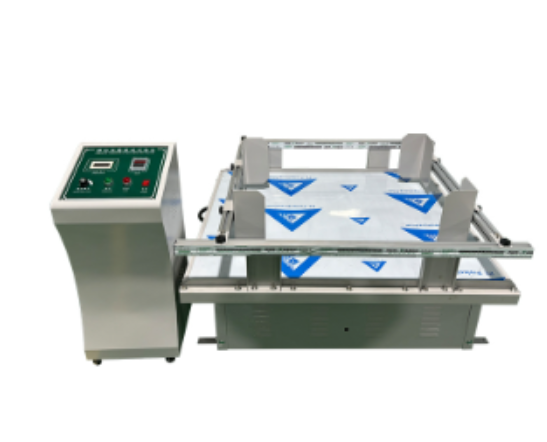
Universal Testing Machine (UTM)
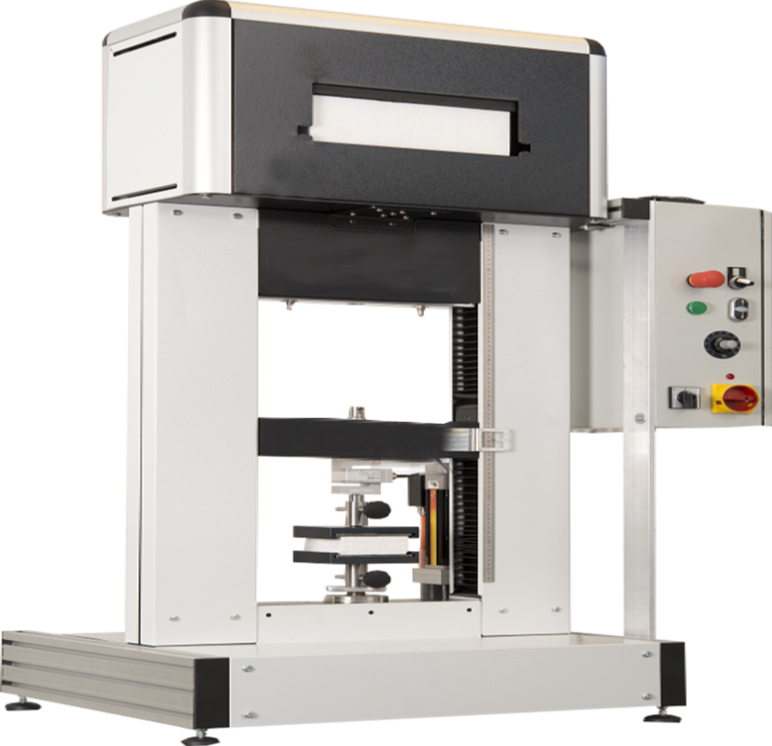


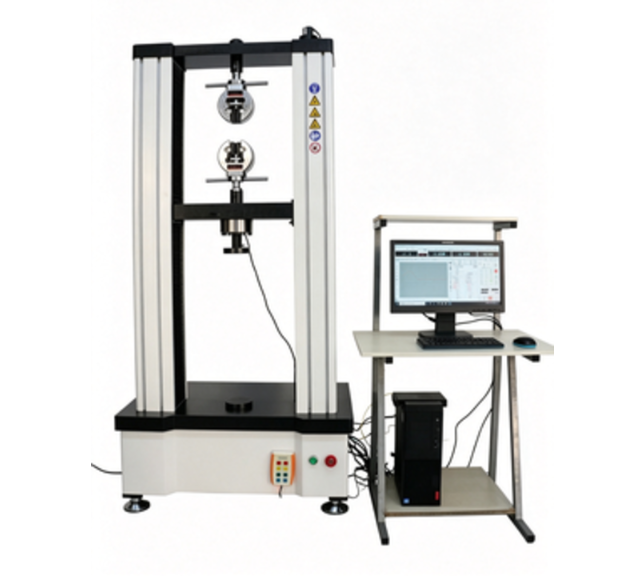
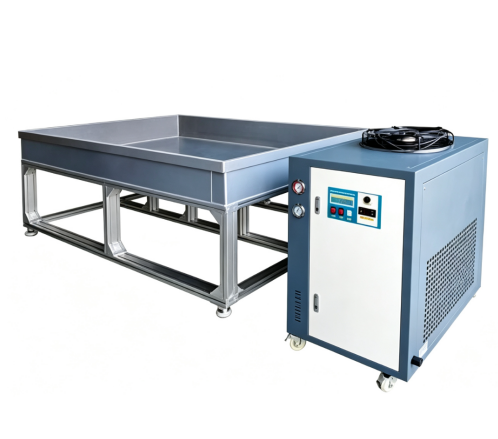
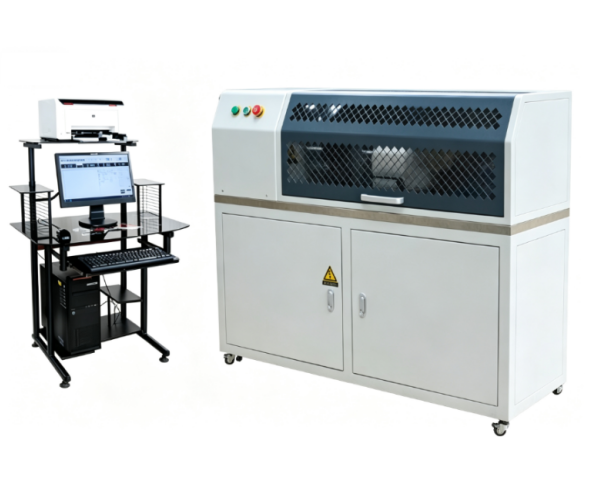
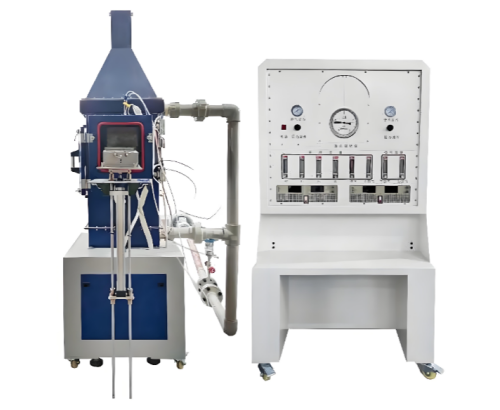
The Universal Testing Machine is an advanced multi-functional laboratory instrument designed to perform comprehensive testing of insulation materials. It integrates thermal, mechanical, and acoustic testing capabilities into a single system, while maintaining the precision and accuracy of standalone devices. This versatile machine is ideal for laboratories seeking a complete solution for material performance evaluation.
Applications
The Universal Testing Machine is suitable for a wide range of testing scenarios, including but not limited to:
(1) Evaluating the thermal performance of building insulation, panels, and composite materials.
(2) Measuring the mechanical strength of construction materials, including compression, tension, bending, and shear properties.
(3) Assessing acoustic performance, such as dynamic stiffness and sound insulation of flooring and building materials.
(4) Material R&D laboratories for developing new insulation or composite products.
(5) Quality control in production facilities for insulation panels, acoustic mats, and construction materials.
(6) Educational and research institutions for training and experimental studies.
Standards
The Universal Testing Machine is designed to comply with a wide range of international standards:
(1) EN 12667 – Thermal performance of building materials. Determination of thermal resistance using heat flow meter.
(2) ASTM C518 – Steady-state thermal transmission properties by heat flow meter.
(3) ISO 8301 – Thermal insulation. Determination of steady-state thermal resistance and related properties.
(4) EN 826 – Determination of compressive properties of thermal insulation materials.
(5) EN 1607 – Determination of tensile strength.
(6) EN 12089 – Determination of flexural properties.
(7) EN 12090 – Determination of shear properties.
(8) EN 14509 (A1, A2, A3) – Performance of sandwich panels.
(9) EN 29052-1 – Acoustics. Measurement of dynamic stiffness of resilient layers under floating floors.
(10) ISO 9052 – Acoustics. Determination of dynamic stiffness for building floor materials.
Features
(1) Lightweight, rigid frame with small footprint and high bending resistance.
(2) Combines thermal, mechanical, and acoustic testing in a single instrument without sacrificing accuracy.
(3) User-friendly interface for intuitive operation.
(4) Electronically driven frame with rapid response suitable for different types of tests.
(5) Modular design allows flexible configuration and optional expansion for specialized testing.
(6) Computer-controlled data acquisition and automated analysis for all three testing modules.
(7) High repeatability and reliability across thermal, mechanical, and acoustic measurements.
Technical Parameters
Frame & Load System:
(1) Maximum test load: 20 kN
(2) Measurement accuracy: ±0.5%
(3) Electronically driven load frame, rapid response
(4) Test stroke: up to 1000 mm (depending on configuration)
Thermal Performance:
(5) Heat flow meter measurement range: 0–5 W/m²·K (configurable)
(6) Temperature control range: ambient to 100°C (standard)
(7) Sample dimensions: up to 500 × 500 × 50 mm (L × W × thickness)
(8) Thermal measurement accuracy: ±0.1°C
(9) Automated real-time data acquisition
Mechanical Performance:
(10) Maximum compression, tension, bending load: 20 kN
(11) Test speed range: 0.001–500 mm/min
(12) Test accuracy: ±0.5% full scale
(13) Sample dimensions: width 50–500 mm, thickness 5–50 mm, length up to 1000 mm
Acoustic Performance:
(14) Maximum dynamic stiffness load: 20 kN
(15) Frequency range: 10–200 Hz
(16) Measurement accuracy: ±0.5%
(17) Sample dimensions: up to 500 × 500 × 50 mm
General Parameters:
(18) Instrument dimensions: 2000 × 800 × 1800 mm (L × W × H)
(19) Instrument weight: 450–500 kg (depending on configuration)
(20) Power supply: 220V / 50Hz, 3 kW
(21) Control system: PLC + touchscreen, automated data acquisition and analysis
(22) Optional accessories: high-temperature modules, extended sample fixtures, acoustic sensors
FAQ
(1) What is this product?
It is a universal testing machine designed for thermal, mechanical, and acoustic testing of materials.
(2) What is this product used for?
It is used to measure thermal resistance, heat flux, mechanical strength, and dynamic stiffness of various building and insulation materials.
(3) Why is this product important?
It provides a comprehensive, accurate, and efficient solution for material performance evaluation, enabling research, quality control, and compliance with international standards.
(4) What products can be tested?
Insulation panels, composite materials, acoustic mats, construction materials, and other building and industrial materials.
(5) What types of tests does it support?
Thermal performance tests (steady-state heat transfer), mechanical tests (compression, tension, bending, shear), and acoustic tests (dynamic stiffness).
(6) How is it operated?
The machine is controlled via a touchscreen PLC system, with automated data acquisition, calculation, and storage. Test samples are placed in the modular fixture appropriate for thermal, mechanical, or acoustic testing.
Leave Message Get Price