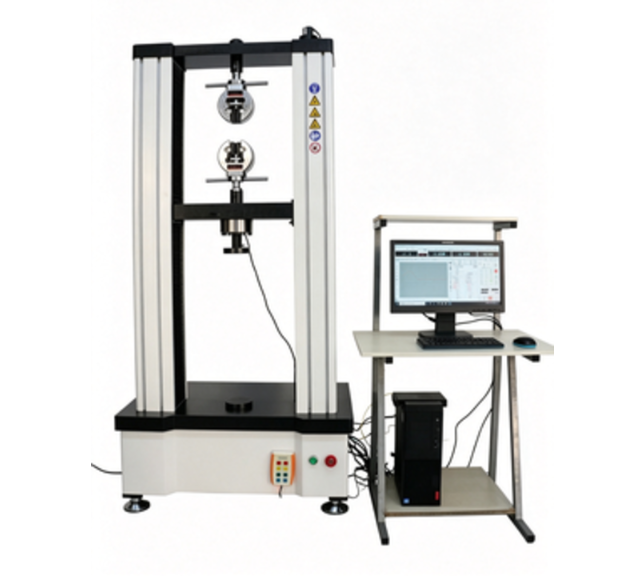
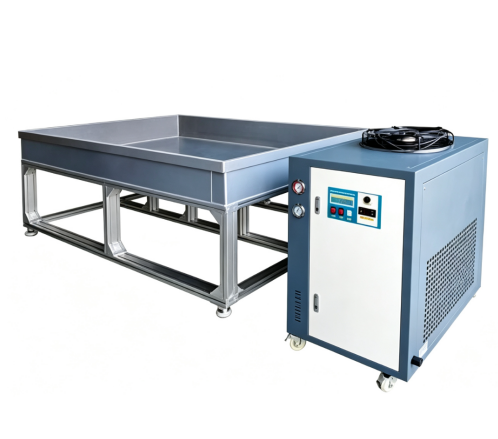
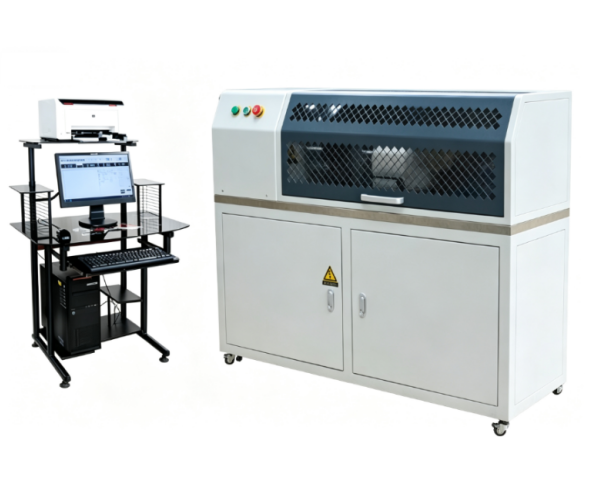
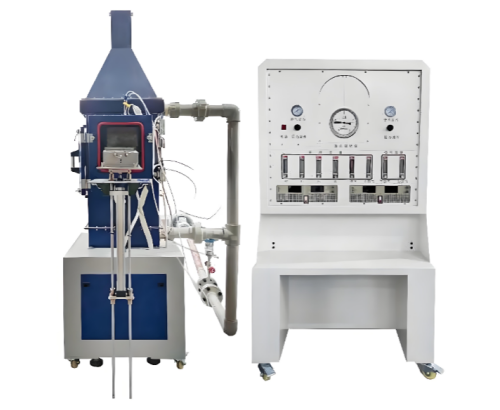
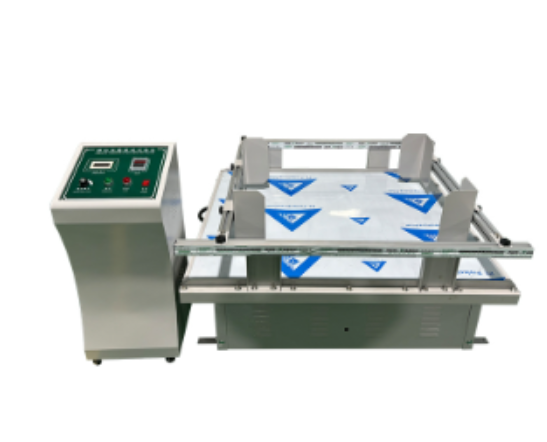
Mercury / Non-mercury Porosimeter
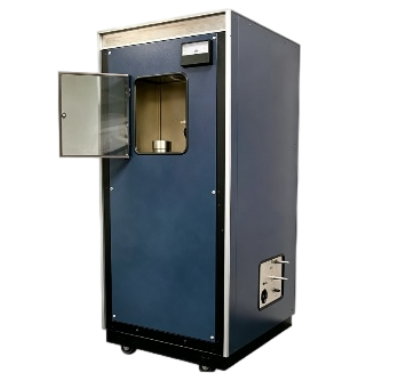


Mercury / non-mercury porosimeter is a multi-purpose precision instrument for measuring pore size distribution, total pore volume, bulk density of surface area, solid and powder and absolute density. With unlimited user-defined data points, automated data collection and reduction, mercury / non-mercury mercury porosimeters are safe, reliable and accurate equipment relative to the use of mercury porosimeter on the market.
Applicable Test
· Overall pore volume
· Mean pore diameter
· Pore distribution
· Particle size distribution
· Porosimetry surface area
· Volume density
· Absolute density
Application
Mercury / non-mercury porosimeter is an excellent R&D tool. The instrument can be used in various industries from automobile manufacturing, pharmacy to paper industry. Mercury / non-mercury porosimeter can test samples such as brake pad, catalyst converter material, coating paper and the initial form of powder.
Applicable industries:
Automobile manufacturing Battery separator
Ceramics Chemistry
Filtration Fuel cell
Paper industry Pharmacy Powder metallurgy
Standards
(1)ASTM D4404 — Standard Test Method for Determination of Pore Volume and Pore Volume Distribution of Soil and Rock by Mercury Intrusion Porosimetry
(2)ASTM D4284 — Standard Test Method for Determining Pore Volume Distribution of Catalysts by Mercury Intrusion Porosimetry
(3)ISO 15901-1 — Pore Size Distribution and Porosity of Solid Materials by Mercury Porosimetry and Gas Adsorption
(4)ISO 15901-2 — Pore Size Distribution and Porosity of Solid Materials by Mercury Porosimetry
(5)USP <267> — Porosity and Pore Size Distribution of Pharmaceutical Materials
Specific testing standards depend on material type and customer requirements.
Technical Parameters
| Items | Parameters |
| Pore size range | 0.0035-500μm |
| Surface area range | 1-100m2/g |
| Sample size | 2.7cmH×2cmD |
| Pressure range | Vacuum-60000psi |
| Pressurized gas | Air or isopropyl alcohol |
| Pressure transducer range | 0-60000psi |
| Resolution | 1/60000 |
| Accuracy | 0.25% of reading |
| Power | 110/220VAC,50/60Hz(other power source available) |
| Dimension | 72〞H×30〞W×30〞D |
| Weight | 400lbs |
Features
· Compatible with Windows 95 or higher version.
· Graphical display of the test status and test results during the operation.
· About 2h test duration
· Samples of wide ranges of sizes and types are usable.
· Multiple sample chambers available.
· Less maintenance required.
· No need to transfer samples from low pressure station to high pressure station. Automatically replenish mercury and cleaning.
· All stainless steel structure, corrosion resistance, automation control, simple operation.
· Wide range of application.
· Unlimited user-defined data points, automated data collection and reduction, less mercury exposure, safety, reliability and accuracy.
· Unlimited user-defined data points based on pressure, volume and coalition. Simultaneous display insert and ejection curve.
· Microsoft software processes all control, measurement, data collection and report output. And manual operation is allowed.
FAQ
(1)What information can this instrument provide about materials?
This instrument provides detailed information about pore structure characteristics, including pore size distribution, total pore volume, surface area, and density-related properties. These measurements help researchers understand material structures and optimize performance in applications such as catalysts, batteries, filtration systems, ceramics, and powder materials.
(2)What types of samples can be tested?
The instrument is suitable for a wide range of solid and powder materials, including ceramics, catalysts, brake materials, battery separators, filter media, coated papers, and powder metallurgy products. It is commonly used in research laboratories and industrial quality control applications.
(3)Why is pore size analysis important?
Pore structure has a significant influence on material performance, including permeability, adsorption ability, strength, and reaction efficiency. By analyzing pore characteristics, engineers can improve material formulations, optimize manufacturing processes, and better understand the relationship between structure and performance.
(4)How does the measurement process work?
The system applies controlled pressure to evaluate how liquid enters the pores of a sample. The relationship between pressure and intrusion volume is analyzed to calculate pore size distribution and related physical properties. Automated data collection and processing improve testing accuracy and efficiency.
(5)What industries commonly use this equipment?
This equipment is widely used in automotive manufacturing, battery research, pharmaceuticals, ceramics, filtration, chemical industries, and powder metallurgy. It helps engineers and researchers evaluate porous materials, improve product performance, and support material development and quality inspection.
Leave Message Get Price