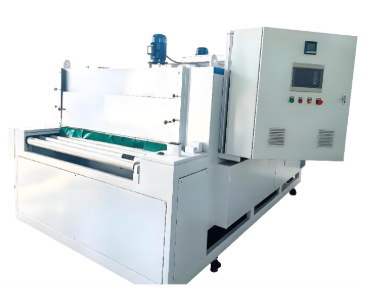
Garment Electromagnetic Radiation Shielding Performance Testing System
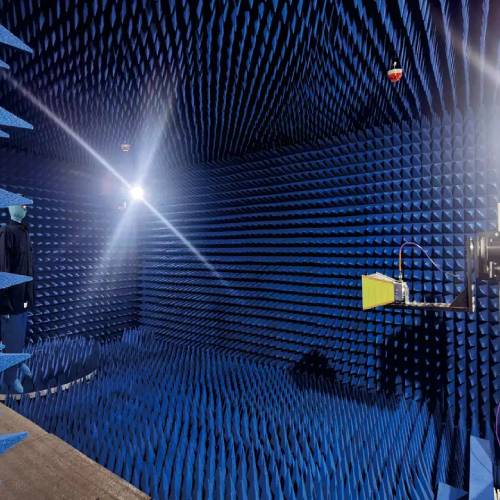


The Garment Electromagnetic Radiation Shielding Performance Testing System is a comprehensive testing solution designed to evaluate the shielding effectiveness of protective clothing against electromagnetic radiation. Using a microwave test manikin in a controlled semi-anechoic chamber, the system measures the attenuation of electromagnetic waves on the head, chest, and abdomen of a dressed manikin. By simulating real-life conditions, the system provides accurate, reproducible assessment of garments’ protective performance across different frequencies.
Application
The system is suitable for a wide range of applications:
Assessing electromagnetic shielding performance of protective clothing in research and development
Evaluating finished garments and critical raw materials for EMF protection
Supporting quality control in textile and wearable electronics industries
Verifying compliance of protective apparel used in industrial, medical, or military environments
Standards
The testing system supports compliance with the following standards:
GB 23463-2025 – Protective Clothing for Microwave Radiation
GB/T 33615-2017 – Methods for Testing Electromagnetic Shielding Performance of Garments
DIN 32780-100 – Protective Clothing, Part 100: Electromagnetic Field Protection in 80 MHz–1 GHz Range
IEC 61000-4-3 – Testing and Measurement Techniques for Radiated RF Electromagnetic Fields
ISO 105-X12 – Textiles: Color Fastness to Electromagnetic Effects (Reference for material durability)
Parameters
| Parameter | Specification |
|---|---|
| Test Object | Protective garments, including finished products and key raw materials |
| Test Environment | Semi-anechoic chamber with low electromagnetic interference |
| Frequency Range | 80 MHz – 1 GHz (standard) |
| Measurement Points | Head, chest, abdomen of manikin |
| Sensors | Embedded EMF receiving sensors in manikin |
| Radiation Source | Signal amplifier with directional transmitting antenna |
| Shielding Effectiveness Measurement | Vector Network Analyzer (VNA) |
| Environmental Conditions | Controlled temperature and humidity to minimize measurement variability |
| Data Output | Real-time attenuation curves and shielding performance reports |
| Power Supply | AC 220V, 50/60 Hz |
| Footprint | Chamber and system optimized for laboratory installation |
Features
Realistic simulation of human exposure using test manikin
Semi-anechoic chamber minimizes external electromagnetic interference
High-precision vector network analyzer measures shielding effectiveness accurately
Multi-point measurement captures shielding at head, chest, and abdomen
Supports evaluation of raw materials, components, and finished garments
Integrated software for data acquisition, analysis, and automatic report generation
Capable of long-term performance evaluation including wash and abrasion tests
Accessories
Semi-anechoic chamber / electromagnetic shielded room
Microwave test manikin with embedded sensors
Vector Network Analyzer (VNA)
Signal amplifier with directional transmitting antenna
Environmental control sensors for temperature and humidity
Data acquisition and analysis software
Support fixtures for garment placement
FAQ
1. What is the purpose of the Garment Electromagnetic Radiation Shielding Performance Testing System?
This system is designed to evaluate the effectiveness of protective clothing against electromagnetic radiation. Using a microwave test manikin in a semi-anechoic chamber, it measures the attenuation of electromagnetic waves on the head, chest, and abdomen of garments. By simulating real-life exposure conditions, it provides accurate, reproducible data to assess the protective performance of finished garments and raw materials. This enables manufacturers and R&D teams to verify that clothing meets international safety standards and protects users from EMF exposure.
2. How does the system measure shielding effectiveness?
The system uses a microwave test manikin embedded with EMF receiving sensors placed in a semi-anechoic chamber. A signal amplifier with a directional transmitting antenna emits electromagnetic waves, while the manikin sensors record real-time attenuation at multiple points, including the head, chest, and abdomen. A high-precision Vector Network Analyzer (VNA) processes these measurements to quantify the shielding effectiveness across the target frequency range of 80 MHz to 1 GHz. Integrated software collects and analyzes the data, producing performance curves and automated reports.
3. Which types of garments and materials can be tested?
The system evaluates both finished protective garments and critical raw materials used in industrial, medical, or military clothing. It is suitable for textiles, wearable electronics, and other components where electromagnetic shielding is required. The system supports research and development, quality control, and compliance verification, helping manufacturers ensure that products meet standards such as GB 23463-2025. GB/T 33615-2017. and IEC 61000-4-3. It can also test durability by performing wash or abrasion tests before re-evaluating shielding performance.
4. What are the main features of this testing system?
Key features include a realistic human exposure simulation using a microwave manikin, a semi-anechoic chamber to minimize interference, and a high-precision VNA for accurate measurement. Multi-point evaluation allows assessment of shielding at the head, chest, and abdomen. Integrated software enables data acquisition, analysis, and automated report generation. The system supports long-term performance assessment, including durability under washing or abrasion, and can evaluate both finished garments and individual materials. Controlled environmental conditions ensure consistent results.
Leave Message Get Price