Steering Wheel Integrated Fatigue Durability Test Bench
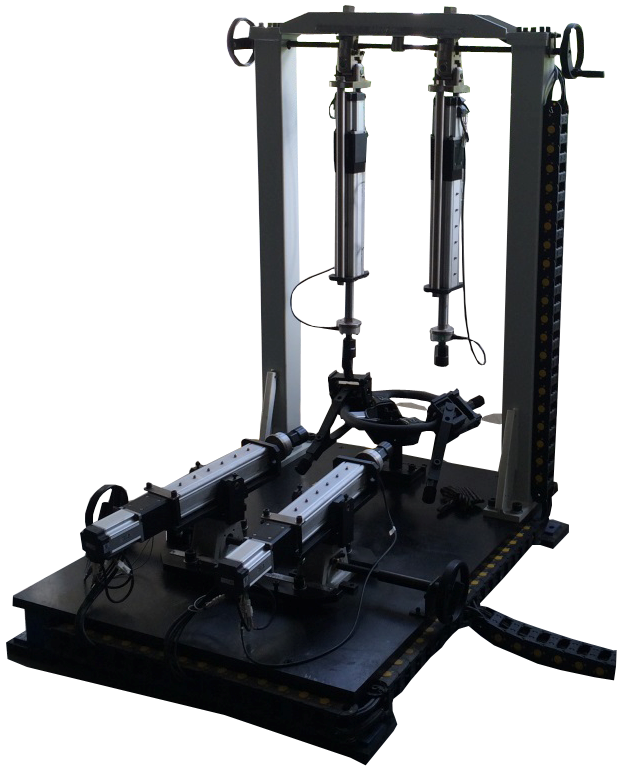


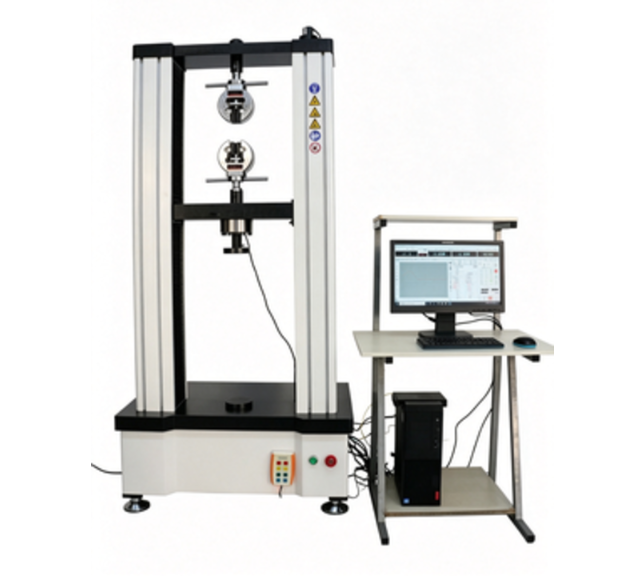
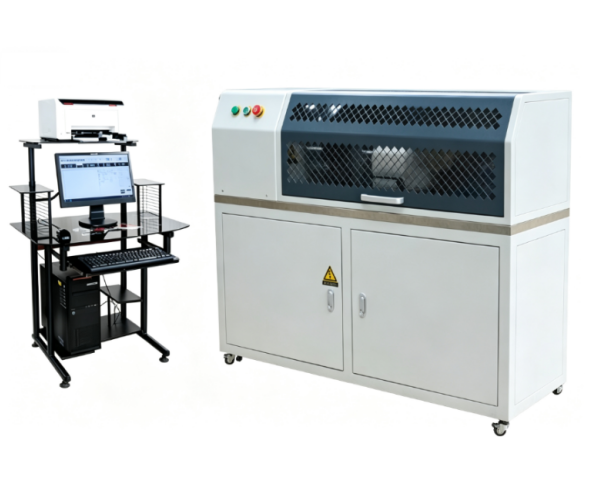
The Steering Wheel Integrated Fatigue Durability Test Bench is designed to evaluate the structural durability and fatigue resistance of automotive steering wheels under long-term cyclic loading conditions. The system performs integrated bending and torsional fatigue tests, as well as bending fatigue durability tests, by applying controlled alternating or sinusoidal loads to simulate real driving conditions. With servo-controlled loading, high-precision measurement, and intelligent data analysis functions, the test bench provides reliable evaluation of steering wheel assemblies, frames, and related components.
Application
The test bench is applicable to fatigue durability testing of the following specific products and components:
(1) Complete automotive steering wheels
(2) Steering wheels with integrated airbag modules
(3) Steering wheel frames and metal skeletons
(4) Steering wheel spokes and rim structures
(5) Steering wheels with multifunction control modules
(6) Steering wheel assemblies used in passenger vehicles and commercial vehicles
Standards
The Steering Wheel Integrated Fatigue Durability Test Bench is designed in accordance with the following standards:
(1) QHMA 2128-2015 – Technical Requirements for Steering Wheels with Airbags, Clauses 7.6.1 and 7.6.2
(2) QHMD 2002-2009 – Steering Wheel Specification, Clauses 7.6.1 and 7.6.2
(3) ISO 4130 – Road Vehicles – Steering Wheel Strength Test
(4) ISO 7401 – Road Vehicles – Lateral Impact Test Method (related durability reference)
(5) SAE J944 – Steering Control Effort and Fatigue Evaluation
(6) GB/T 17675 – Steering Wheel Test Methods
(7) OEM-specific steering wheel fatigue and durability specifications
Parameters
| Item | Specification |
|---|---|
| Load capacity | 2000 N |
| Load measurement range | 40 – 2000 N |
| Load measurement accuracy | ±1% |
| Load resolution | 0.1 N |
| Displacement measurement range | 200 mm |
| Displacement accuracy | ±1% FS |
| Test frequency | 1 – 4 Hz |
| Test waveform | Sinusoidal |
| Power supply | AC 220 V, 50 Hz |
| Rated power | 2 kW |
| Number of channels | 4 channels |
| Applicable steering wheel diameter | 370 ± 50 mm |
Features
(1) Full-range load capability without load segmentation.
(2) Simple and convenient load calibration method with easy operation.
(3) Test data stored in a database for post-test analysis and curve review.
(4) Test interface based on virtual instrument technology with oscilloscope-style curve display.
(5) Editable test programs including test load, test cycles, frequency, and displacement protection limits, with program storage and recall capability.
(6) Recording of load peak and displacement peak for each loading cycle, with load–time and displacement–time curves displayed.
(7) Curve segment storage at intervals of five or more cycles.
(8) Closed-loop force control realized through servo motor control, enabling precise force regulation.
(9) Overload alarm and protection, specimen fracture alarm, and three-color warning light indication.
(10) Sinusoidal waveform loading with zero or non-zero initial force.
(11) Convenient specimen clamping design in accordance with ergonomic requirements.
Accessories
(1) Servo electric actuator
(2) Load sensor
(3) Measurement and control cabinet
(4) Industrial computer
(5) Controller and high-speed data acquisition card
(6) Test control and analysis software
Maintenance Information
(1) Periodically calibrate load sensors and displacement sensors.
(2) Inspect servo actuators and fixtures for mechanical wear.
(3) Check electrical connections and grounding regularly.
(4) Maintain cleanliness of the control cabinet and cooling system.
(5) Perform routine software backup and system diagnostics.
FAQ
(1)What is this equipment mainly used for?
This equipment is used to evaluate the fatigue durability of automotive steering wheels under repeated bending and torsional loading conditions. It helps manufacturers verify whether steering wheel structures can withstand long-term mechanical stress during vehicle operation and supports reliability improvement during product development.
(2)What types of tests can be performed?
The system can perform integrated bending and torsional fatigue tests, as well as independent bending fatigue tests. Different loading modes allow engineers to evaluate various stress conditions experienced by steering wheel assemblies during actual vehicle use.
(3)How does the system ensure accurate test results?
The test bench uses servo closed-loop control, high-precision load measurement, and real-time data acquisition technology. These functions provide stable loading conditions and accurate recording of force and displacement changes throughout the fatigue testing process.
(4)Can test parameters be customized for different products?
Yes. Users can set and save different test programs according to product requirements, including loading force, frequency, waveform, cycle number, and protection limits. Stored programs can be recalled for repeated testing and comparison.
(5)Who typically uses this testing system?
The equipment is mainly used by automotive manufacturers, steering wheel suppliers, automotive component testing laboratories, and research institutions. It helps evaluate product reliability, verify design performance, and support quality control during production and development.
Leave Message Get Price