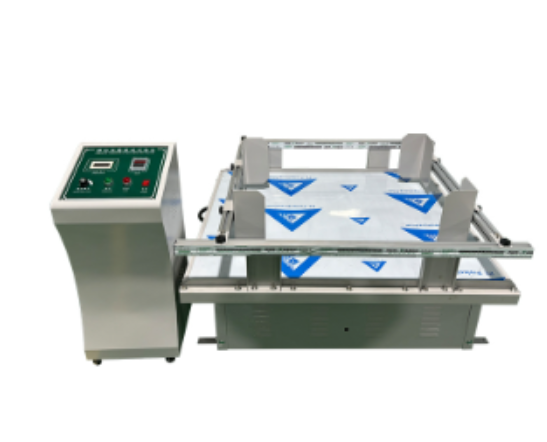
Seat Noise Tester
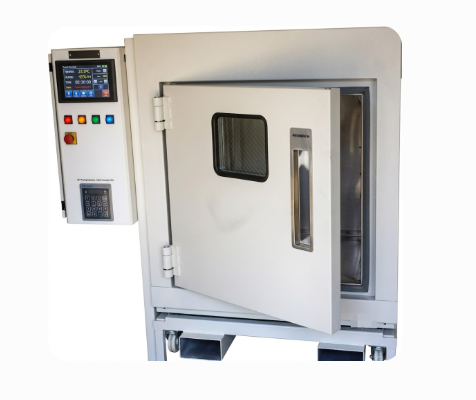


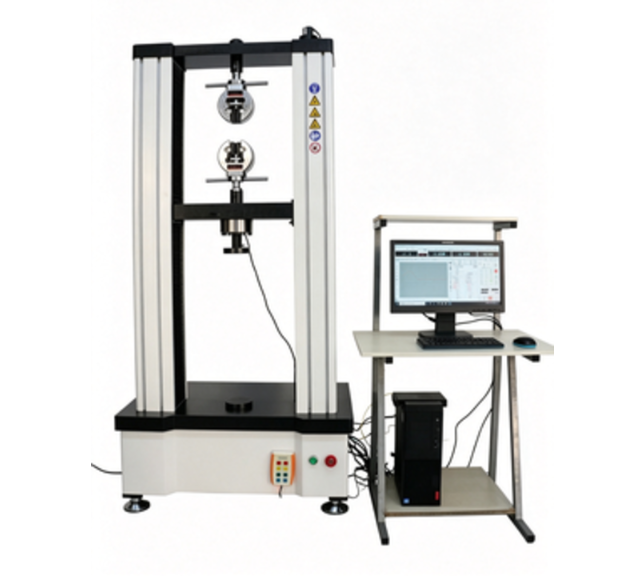
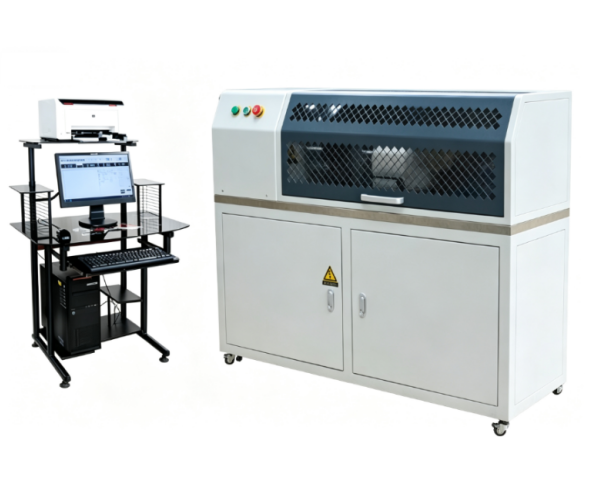
The Seat Noise Test System is a specialized testing instrument designed for evaluating noise generation and sound quality of complete automotive seat assemblies or individual seat components during operation. The system allows noise testing to be performed simultaneously with functional or durability tests, providing realistic simulation of seat operation under actual working conditions. It supports both airborne noise measurement using microphones and structure-borne vibration measurement using accelerometers, enabling comprehensive noise level and sound quality analysis in laboratory or workshop environments.
Application
The Seat Noise Test System is used for noise measurement and analysis of the following specific products and components:
(1) Complete automotive seat assemblies
(2) Electric seat motors and drive mechanisms
(3) Seat adjustment mechanisms (fore-aft, height, recliner, lumbar)
(4) Seat frames and metal structures
(5) Seat sliding rails and locking systems
(6) Headrest adjustment mechanisms
(7) Armrest mechanisms and hinges
It is suitable for noise evaluation during product development, process validation, quality control, and OEM approval testing.
Standards
(1) ISO 3744 – Determination of Sound Power Levels of Noise Sources
(2) ISO 3745 – Precision Methods for Determination of Sound Power Levels
(3) ISO 7779 – Measurement of Airborne Noise Emitted by Machinery
(4) ISO 9614 – Sound Intensity Measurement Methods
(5) SAE J1470 – Motor Vehicle Seat Adjustment Noise Measurement
(6) GB/T 6882 – Acoustics Measurement of Noise Emitted by Machinery
(7) OEM-specific seat noise and sound quality evaluation specifications
Parameters
| Item | Specification |
|---|---|
| Measurement methods | Airborne noise (microphone), structure-borne vibration (accelerometer) |
| Noise level units | dB(A), Sone |
| Frequency analysis | Real-time FFT-based frequency analysis |
| Measurement environment | Laboratory or workshop |
| Control mode | PC-based automatic control |
| Noise chamber | Pseudo-anechoic enclosure |
| Sensor type | Precision microphone, vibration accelerometer |
| Data output | Noise level, frequency spectrum, sound quality metrics |
| Display | PC monitor and touch screen inside noise chamber |
Features
(1) Simultaneous noise measurement and functional seat operation testing.
(2) High-quality pseudo-anechoic chamber ensuring stable and repeatable measurements.
(3) Support for both noise level evaluation and sound quality analysis based on real-time FFT.
(4) PC-controlled automated testing with flexible user and display options.
(5) Suitable for both laboratory and production workshop environments.
(6) Robust mechanical structure manufactured from aluminum and stainless steel.
(7) Durable powder-coated and anodized surface treatment for long-term use.
Accessories
(1) Precision measurement microphone
(2) Vibration accelerometer
(3) Pseudo-anechoic noise chamber
(4) PC-based control and analysis software
(5) Touch screen display unit
(6) Standard signal cables and connectors
Maintenance Information
(1) Regularly inspect microphones and accelerometers for calibration accuracy.
(2) Keep the noise chamber clean and free from loose objects.
(3) Check cable connections and signal integrity periodically.
(4) Perform routine software updates and data backups.
(5) Avoid mechanical impact on sensors and enclosure components.
FAQ
1. What is this product?
It is a specialized testing system for measuring and analyzing noise and sound quality generated by automotive seats and seat components.
2. What is it used for?
It is used to evaluate noise levels and sound characteristics during seat operation, including motor-driven adjustments.
3. Why is this test important?
Seat noise directly affects vehicle comfort and perceived quality, making it a critical factor in automotive interior evaluation.
4. Which industries is it suitable for?
Automotive manufacturers, seat suppliers, testing laboratories, and research institutions.
5. What types of tests can it perform?
Airborne noise testing, structure-borne vibration analysis, noise level measurement, and sound quality evaluation during seat operation.
6. What support is available after purchase?
QINSUN provides installation guidance, operation training, and technical support. Engineers can assist with test setup, data interpretation, and customized solutions. For detailed application cases and selection advice, it is recommended to contact QINSUN engineers directly.
Leave Message Get Price