Cone Calorimeter
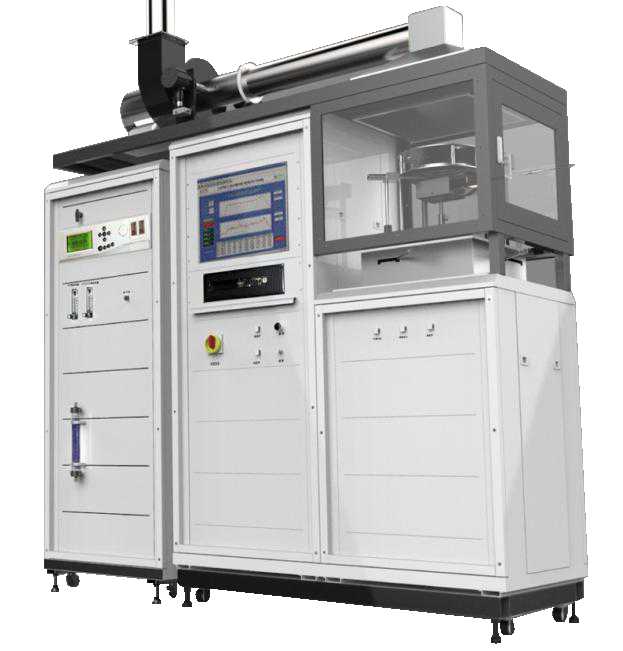


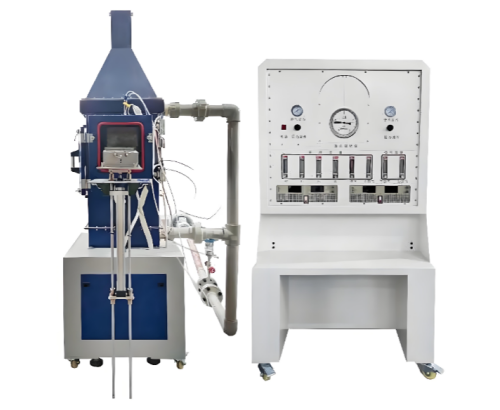
A cone calorimeter is a fire test apparatus based on the amount of heat released during the combustion process, which is directly related to the oxygen consumption in the combustion process. The amount of heat generated is directly proportional to the severity of the fire, such as the rate of fire growth. In order to obtain the flammability of the material, the material is exposed to an external radiation heat source. Therefore, since this is a forced combustion test, the cone value is generally considered to reflect the second ignitability of the ignition.
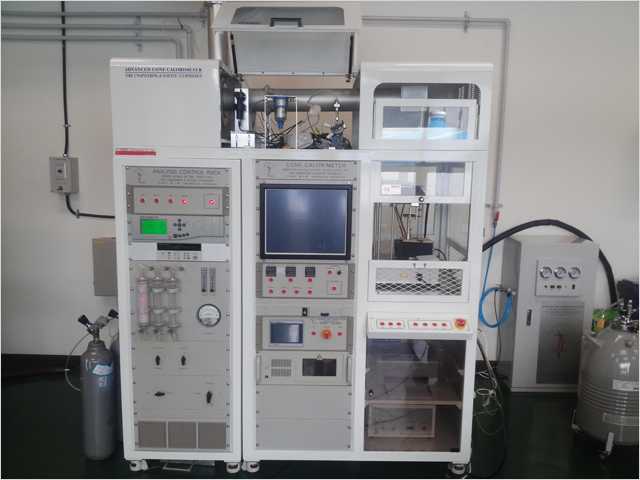
The Cone Calorimeter uses a controlled radiant heat source to expose test specimens under standardized fire conditions, providing reliable data for material flammability evaluation, fire safety research, and product development. It is widely used in laboratories for testing polymers, building materials, insulation materials, textiles, composites, and other combustible materials.
Application
The Cone Calorimeter is the most significant bench scale instrument in the field of fire testing.
Typical applications include:
(1) Building Material Fire Performance Evaluation
Testing fire behavior of construction materials, insulation materials, wall panels, flooring materials, and composite structures.
(2) Polymer and Plastic Material Analysis
Evaluating combustion characteristics of plastics, polymer composites, cable materials, and flame-retardant compounds.
(3) Textile and Upholstery Fire Testing
Analyzing ignition behavior, heat release, and smoke generation of fabrics, carpets, automotive interiors, and protective textiles.
(4) Automotive Material Development
Testing fire performance of vehicle interior materials, polymer components, battery-related materials, and lightweight composites.
(5) Research and Quality Control
Used by universities, fire research institutes, and manufacturers for material comparison, formulation optimization, and compliance verification.
Standard
ISO5660,ASTM E 1354, ASTM E 1474, ASTM E 1740, ASTM F 1550, ASTM D 6113, NFPA 264, CAN ULC 135, BS 476
Test Principle
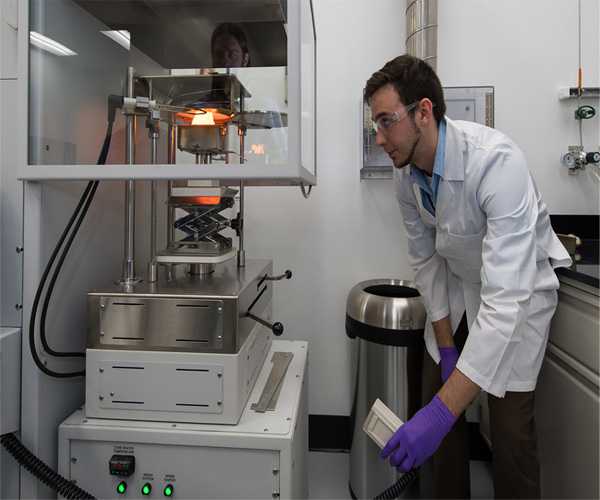
A sample is placed in a "cone" shaped radiant heater. Normally, the sample is exposed to 35 kW / m2 of external flux-forming heaters. However, for more refractories the heater is often increased to 50 kW / m2. Once sufficient pyrolysis products are produced, ignition occurs. Combustion products pass through a conical heater and through an instrument discharge tube. The measured / calculated values are usually important including, but not limited to, the maximum ignition time, the mass loss rate during combustion, the maximum amount of time and heat released during combustion, the total amount released during the test.
Parameters
| Parameter | Specification |
|---|---|
| Heating Method | Conical radiant heater |
| Heater Power | 230V, 5000W |
| Maximum Heat Output | Up to 100 kW/m² |
| Standard Heat Flux | Typically 35 kW/m², adjustable for special applications |
| Sample Orientation | Horizontal and vertical testing |
| Standard Sample Size | 100 mm × 100 mm |
| Maximum Sample Thickness | ≤50 mm |
| Temperature Measurement | 3 × K-type thermocouples |
| Temperature Control | 3 × PID temperature controllers |
| Load Cell Accuracy | Up to 0.01 g |
| Ignition System | 10 kV spark igniter with automatic positioning |
| Exhaust Flow Range | 0–50 g/s adjustable |
| Typical Exhaust Flow | Approximately 24 L/s |
| Oxygen Analyzer Range | 0–25% |
| Oxygen Measurement Method | Paramagnetic oxygen analyzer |
| Smoke Measurement | Laser-based photodiode measurement system |
| Laser Source | 0.5 mW helium-neon laser |
| Calibration Gas | 99.5% pure methane |
| Data Acquisition | Multi-channel automatic data recording system |
| Data Output | CSV file format |
| Software Language | English, French, German, Spanish, Japanese |
Optional Configuration
1, Carbon dioxide and carbon monoxide - available NDIR gas analyzer.
2, Hydrogen chloride - heating supply lines and gas analyzers.
3, Controlled gas accessories - for low-oxygen sample analysis.
4, the quality of the loss of calorimeter.
5, FTIR toxicity tester.
6, the protection of door-to protect the operator does not inhale poisonous samples generated by the flue gas. The steel plate blocks the rear, the exhaust hood blocks the top, and the test door blocks the bottom, protecting the door against the last side.
Feature
1). Displays the instrument status.
2). Calibrate the instrument and store the calibration results.
3). Collect the test data.
4). Calculate the required parameters.
5) Display the results by the standard way.
6). Multiple tests are averaged.
7). Data entry to FDMS (Fire Data Management System) - Most European and US laboratories apply the system format, sharing data between different laboratory calorimeters.
8). the file output is in CSV (Comma Separated File) format, which can be quickly converted to a spreadsheet
FAQ
(1) What materials can be tested with a Cone Calorimeter?
The Cone Calorimeter is suitable for testing various combustible materials, including plastics, textiles, insulation materials, wood products, composites, rubber, and automotive interior materials. It helps researchers compare fire performance and optimize material formulations.
(2) Which fire parameters can the Cone Calorimeter measure?
The system can evaluate important fire characteristics including ignition time, heat release rate, total heat release, mass loss rate, oxygen consumption, and smoke production. These results support material fire safety evaluation and research according to standards such as ISO 5660-1.
(3) How should I select the appropriate heat flux for testing?
The standard test commonly uses 35 kW/m² radiant exposure, while higher heat flux levels such as 50 kW/m² may be selected for materials with higher fire resistance. The appropriate setting depends on material type and testing requirements.
(4) Does the Cone Calorimeter require regular calibration?
Yes. Calibration of components such as the oxygen analyzer, heat flux meter, load cell, and temperature sensors is necessary to maintain measurement accuracy. QINSUN performs factory calibration and verification before shipment to ensure reliable test results.
(5) Can QINSUN provide fire testing solutions for different materials or laboratory requirements?
Yes. QINSUN can provide suitable configuration recommendations based on sample type, testing standards, and laboratory conditions. Our engineers can assist with equipment selection, installation guidance, and application solutions for different fire testing projects.
Leave Message Get Price