Composite Materials and New Materials Tunnel Oven
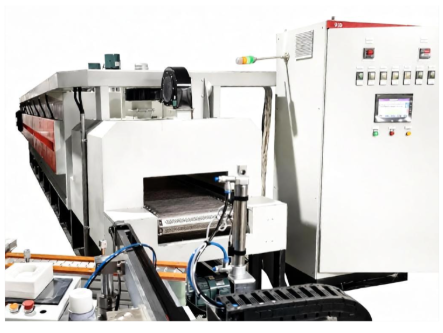


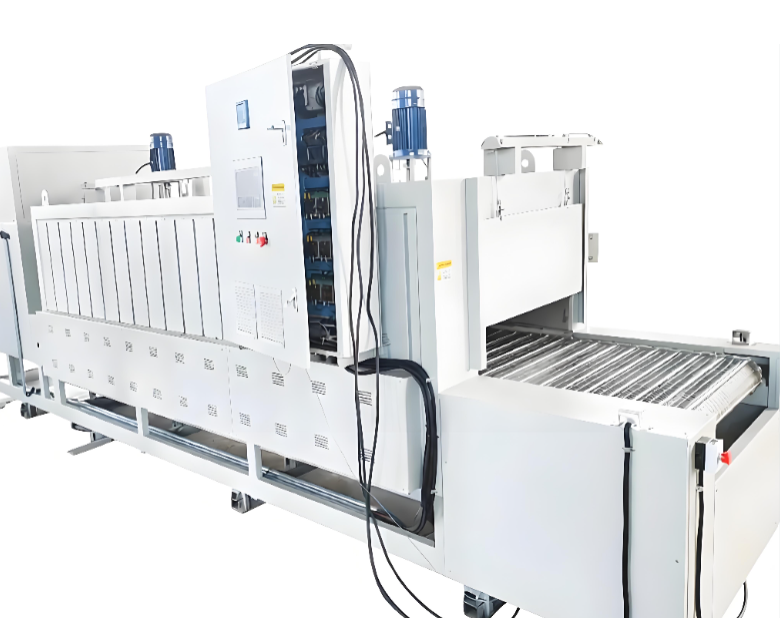
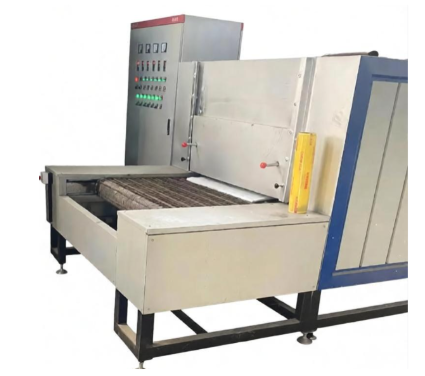
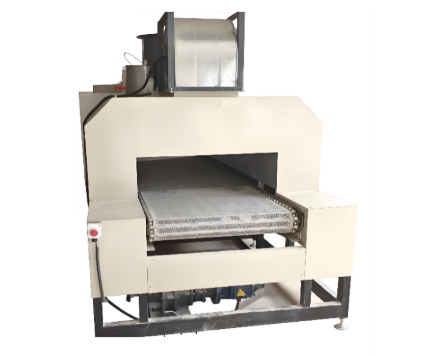
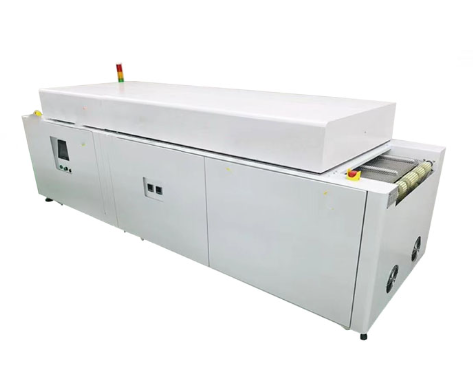
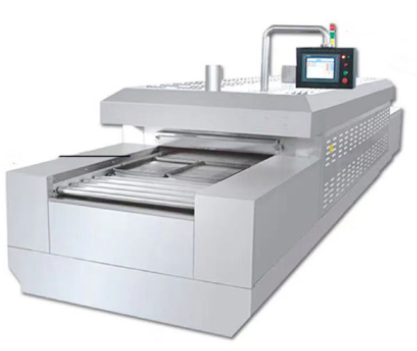
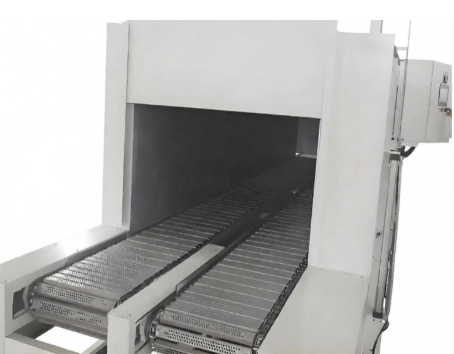
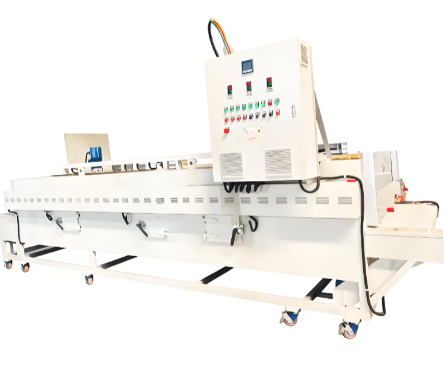
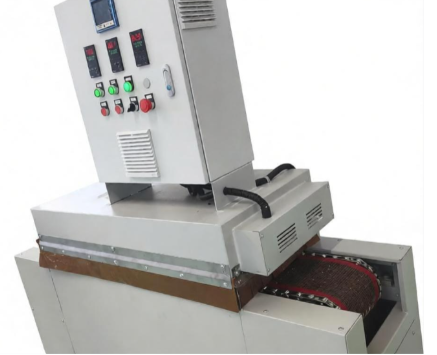
The Composite Materials and New Materials Tunnel Oven is a continuous industrial curing and thermal processing equipment.Through continuous conveying systems such as conveyor belts, mesh belts, or overhead hanging chains, composite material products pass through a temperature-controlled tunnel heating zone to achieve processes including preheating, drying, curing, and sintering.The equipment is widely used for industrial production of advanced composite materials requiring precise temperature control and stable thermal processing.
Applications
Aerospace Industry
Used for resin curing of composite structural components made from:
Carbon fiber composites
Glass fiber composites
Advanced lightweight composite materials
Applications include aircraft structural parts and aerospace components requiring high strength and low weight.
Automotive Industry
Used for thermal forming and curing of:
Carbon fiber lightweight body components
Automotive interior composite parts
High-performance composite structures
to improve vehicle lightweight performance and structural strength.
Wind Power Industry
Used for heating and curing of new composite material components for:
Wind turbine blades
Large composite structural parts
ensuring stable mechanical properties and long-term durability.
Electronic and Electrical Industry
Used for continuous baking and encapsulation processing of:
PCB substrates
Insulating composite materials
Electronic packaging materials
Sports Equipment Industry
Used for molding and curing of high-performance composite products, including:
Carbon fiber bicycle frames
Golf clubs
Tennis rackets
Other carbon fiber sports equipment
Standards
The equipment manufacturing and process implementation generally comply with the following standards:
Safety and General Standards
GB/T 10067.1 Basic Technical Requirements for Electric Heating Equipment
GB 19517 National Technical Safety Specifications for Electrical Equipment
Temperature Control Standards
GB/T 9452 Measurement Method for Effective Heating Zone of Heat Treatment Furnaces
AMS 2750 Pyrometry Standard for Aerospace Material Heat Treatment
Applicable to high-performance aerospace composite material processing requiring strict temperature uniformity control.
Explosion-Proof Standards
If flammable volatile gases are generated during composite material curing, the equipment must comply with:
GB 3836 Series Electrical Apparatus for Explosive Gas Atmospheres
Features
Efficient Continuous Production
The equipment adopts a continuous production line structure, enabling:
Automatic feeding
Continuous heating and curing
Automatic discharge
The entire process is completed smoothly, making it suitable for large-scale industrial production.
Precise Temperature Control
Uses:
Multi-zone independent temperature control
Microcomputer PID control
Solid-state relay (SSR) control technology
The temperature uniformity inside the furnace can reach approximately ±1°C to ±3°C, ensuring consistent curing quality.
Energy Saving and Environmental Protection
Features include:
Optimized hot air circulation system
High-density thermal insulation materials
Reduced heat loss
Exhaust gas discharge interfaces
The system improves energy efficiency while meeting environmental protection requirements.
Intelligent Monitoring System
Usually equipped with:
PLC control system
Touchscreen operation interface
It can:
Monitor temperature in real time
Record process data
Store temperature curves
Export historical operating records
providing traceability for production quality management.
Leave Message Get Price