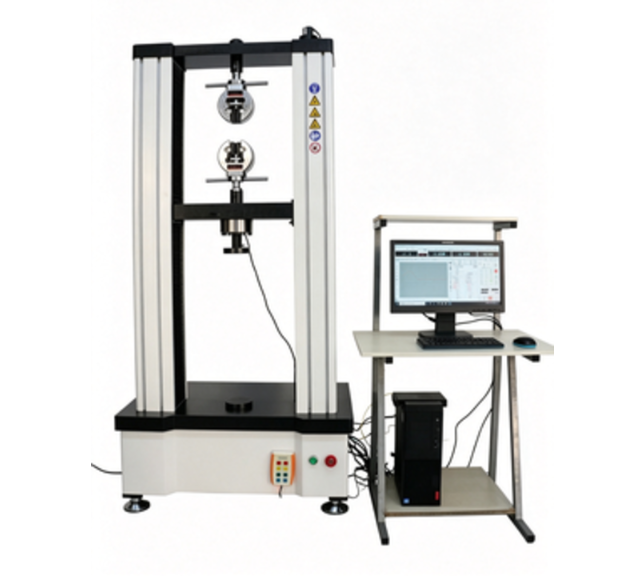
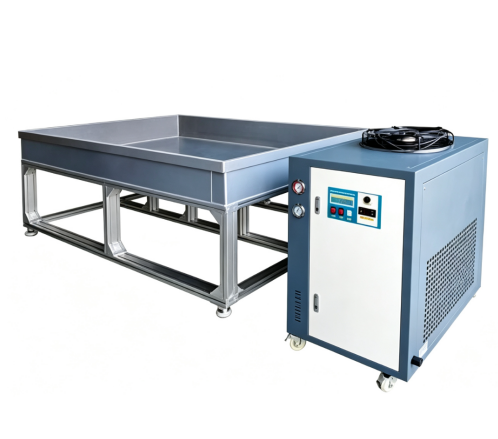
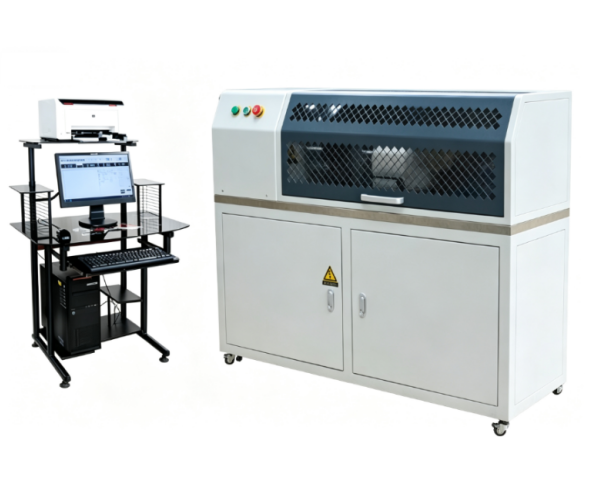
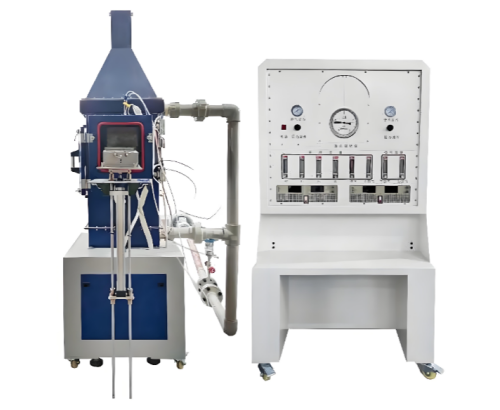
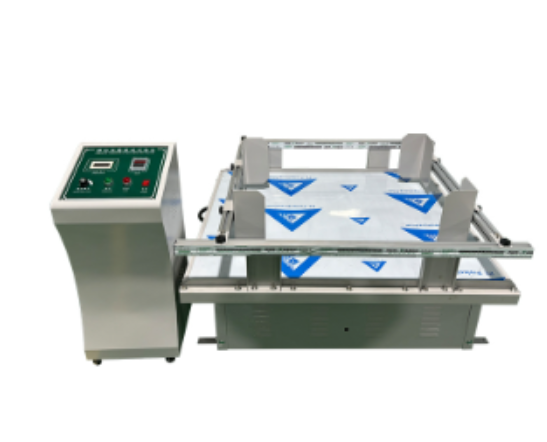
Tracking and Erosion Test System
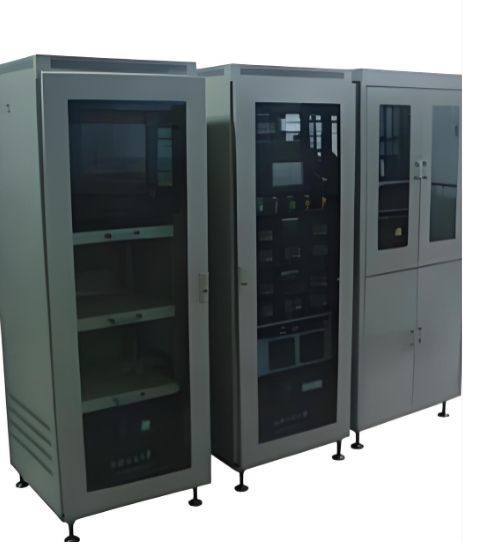


A Tracking and Erosion Test System for Electrical Insulation Materials is a specialized testing device used to evaluate the aging resistance and damage resistance capability of high-voltage electrical insulation materials under severe environmental conditions such as humidity, contamination, and high voltage.
Applications
Tracking and erosion test system can integrate AC and DC high voltage, control, measurement, calculation and management. It can output 10kV HVAC, 15kV HVDC, and the pollution flow can be controlled from 0.075 ml/min to 0.9 ml/min. The system can be used to test the resistance to electric leakage and electric erosion of insulating materials and power equipment.
Standards
The meet the requirements of IEC 60587 and relevant standards.It meets the requirements of IEC 60099-4 and relevant standards.
Technical Parameters
| High voltage | Amplitude | Contaminated liquid |
| AC | 10kV | 0.075ml/min ~ 0.9 ml/min
Control accuracy: ±1.5% |
| DC | 15kV | 0.2 ml/min or other
Control accuracy: ±1.5% |
Features
Standards Compliance and Test Modes: Fully compliant with international standards such as IEC 60587. The system supports both the Constant Tracking Voltage method and the Stepwise Tracking Voltage method.
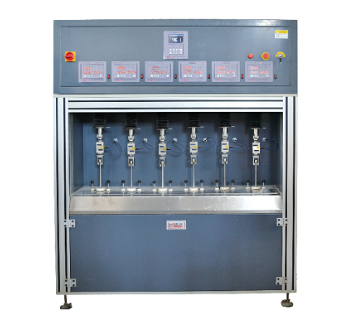
Multi-Station Synchronous Testing: Typically equipped with multiple test stations (for example, 5 stations as a standard configuration), allowing simultaneous accelerated aging comparison tests on up to five specimens, thereby improving evaluation efficiency.
Continuous Contamination Control: The system integrates a high-precision peristaltic pump capable of continuously and uniformly delivering liquid contaminants with specified conductivity onto the specimen surface at an accurately controlled flow rate (typically within a specified range). The specimens are usually mounted at an inclined angle of 45°.
High-Voltage Output and Monitoring: Capable of providing high-voltage outputs, such as AC voltages up to several kilovolts or high-voltage DC outputs. By using series shunt resistors, the system can accurately monitor the surface leakage current of each test channel.
Intelligent Protection and Automatic Cut-Off: When the leakage current exceeds a preset threshold (typically for a specified duration), when penetrating erosion (hole formation) occurs, or when the specimen ignites, the system automatically disconnects the power supply of the affected channel and records the fault time.
Computerized and Automated Platform: Equipped with intuitive computer software (or a touchscreen interface) capable of real-time acquisition and analysis of test data such as voltage, current, and time waveforms, as well as automatic report generation and hierarchical user access protection.
Safe and Environmentally Friendly Test Chamber: The test chamber is usually constructed from stainless steel and equipped with explosion-proof observation windows and an exhaust ventilation system to safely discharge harmful gases generated during the testing process.
Maintenance Information
Ventilation System: Harmful gases and water vapor may be generated during the testing process; therefore, the test chamber must be equipped with an exhaust ventilation system. Residues inside the exhaust ducts should be cleaned regularly, and a moderate and stable airflow rate should be maintained to prevent excessive mist accumulation inside the chamber.
Enclosure and Grounding: Since the equipment operates under high-voltage conditions, routine maintenance should include checking whether the grounding connections are secure and verifying that the safety door interlock system (power-off protection when the door is opened) is functioning properly.
FAQ
1. Which international standards does this test system mainly comply with?
The system mainly complies with IEC 60587 (Methods for evaluating resistance to tracking and erosion of electrical insulating materials used under severe ambient conditions) and IEC 60099-4. These standards are used to evaluate the long-term reliability of materials under outdoor or harsh operating conditions.
2. What is the composition of the “contaminant” used during testing?
The test uses a conductive liquid designed to simulate severe pollution conditions. It typically consists of deionized water, ammonium chloride ((NH_4Cl)), and a non-ionic wetting agent. The resistivity of the liquid must be strictly controlled within a specified range at room temperature according to the standard requirements.
3. Which test methods are supported by the system?
The system mainly supports the two methods specified in the standards:
Constant Tracking Voltage Method (Method 1):
The specimen is tested under a continuous constant test voltage (such as 2.5 kV, 3.5 kV, or 4.5 kV) for 6 hours.
Stepwise Tracking Voltage Method (Method 2):
Testing begins at a selected starting voltage, and the voltage is increased step by step every hour (for example, by a specified voltage increment) until breakdown or failure of the material occurs.
4. How does the system determine whether the insulating material has “passed the test”?
A test is generally considered failed under any of the following conditions:
The overcurrent protection device trips within the specified time, indicating the formation of a conductive path.
The specimen is completely burned through by arc discharge.
The erosion depth or damage width exceeds the limit specified in the standard.
If none of the above conditions occur throughout the entire test cycle, the specimen is considered to have passed the evaluation.
5. What are “tracking” and “erosion,” and what is the difference between them?
Tracking:
The process in which leakage current and arc discharge gradually form a carbonized conductive path on the surface of the insulating material.
Erosion:
A phenomenon in which localized arc discharge causes physical damage to the material surface, resulting in material loss, surface degradation, and crater formation.
Leave Message Get Price