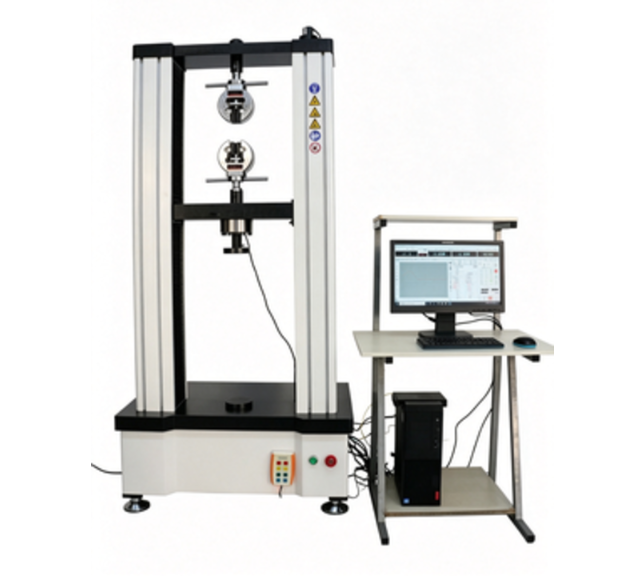
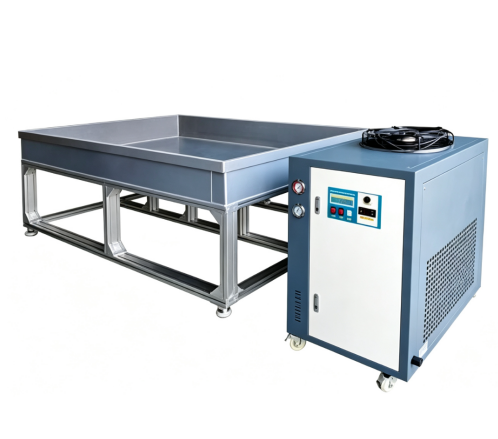
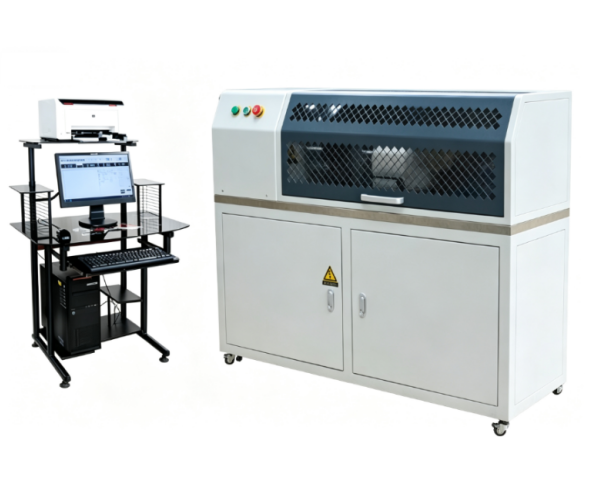
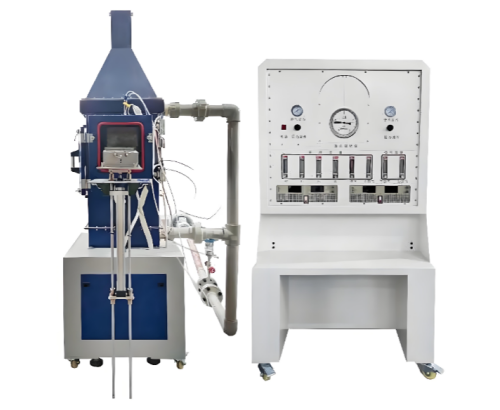
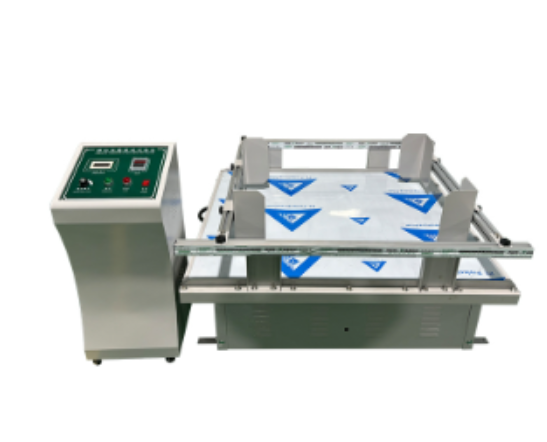
Automotive & Motorcycle Control Cable (Flexible Shaft) Fatigue Tester
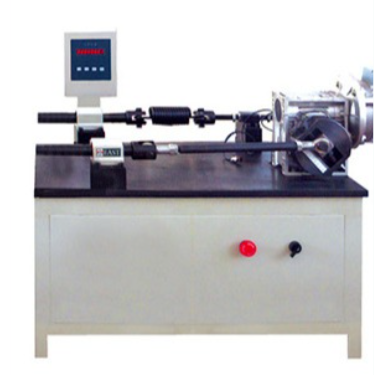


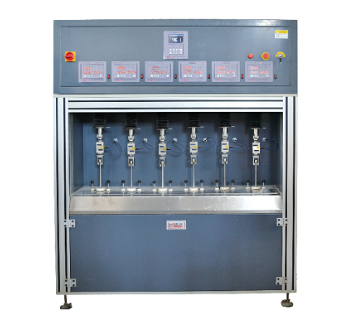
The Automotive & Motorcycle Control Cable (Flexible Shaft) Fatigue Tester is designed to evaluate the durability and fatigue performance of automotive and motorcycle control cables. By simulating repeated force and reciprocating motion experienced during actual use, it quantitatively assesses structural stability, service life, and reliability under defined loads and cycles, providing reliable data for design validation and quality control.
Application
This tester is applicable to a wide range of vehicle control cables and flexible shaft assemblies, including but not limited to:
(1) Automotive throttle cables
(2) Automotive clutch cables
(3) Automotive brake cables
(4) Automotive gear shift cables
(5) Automotive parking brake cables
(6) Motorcycle throttle cables
(7) Motorcycle clutch cables
(8) Motorcycle brake cables
(9) Bowden cables and flexible shaft assemblies
(10) Control cables for electric vehicles, light vehicles, and specialty vehicles
Suitable for: automotive manufacturers, motorcycle production facilities, cable/component manufacturers, third-party testing labs, and research institutions.
Standards
(1) QC/T 29101-92 — Automotive Cable Assemblies
(2) QC/T 228.10-1997 — Motorcycle and Moped Control Cable Test Method
(3) SAE J193 — Automotive Control Cable Reference Test Method
(4) ISO 6722 — Reference Principles for Cable and Component Durability Testing
Parameters
| Item | Technical Specification |
|---|---|
| Maximum Cable Load | 5000 N |
| Reciprocating Stroke | ±50 mm |
| Reciprocating Frequency | 30 / 60 cycles per minute |
| Test Cycle Range | 0–999,999 cycles |
| Test Cycle Accuracy | ±0.5% |
| Load Application | Pulley mechanism + standard weight + spring |
| Motion Conversion | Crank-slider mechanism |
| Drive | Dual-speed motor |
| Power Supply | AC 380V ±10% (3-phase) / AC 220V ±10% (single-phase) |
| Control | Electro-mechanical |
| Display | Digital counter display |
Features
(1) Standards-compliant design ensures reliable, repeatable test results.
(2) Wide load capacity up to 5000 N for most automotive and motorcycle cables.
(3) Stable reciprocating motion with crank-slider mechanism simulates real operating conditions.
(4) Accurate cycle counting with magnetic-electrical sensor and clear digital display.
(5) Adjustable stroke and frequency for different cable types and standards.
(6) Robust structure suitable for long-term continuous fatigue testing.
Accessories
| Name | Description |
|---|---|
| Pulley Assembly | Guides the cable along the test path |
| Standard Weights | Apply initial load to the cable |
| Standard Springs | Alternate load between initial and maximum force |
| Cable Fixtures | Secure cables of various sizes |
| Magnetic-Electric Sensor | Detects test cycle count |
| Power Cable | Supplies electrical power |
| Fasteners | Bolts, nuts, and connection components |
Test Procedures
(1) Mount the cable specimen along the standardized test path.
(2) Install pulleys, weights, and springs securely.
(3) Set reciprocating stroke and frequency according to the applicable standard.
(4) Start the machine; the cable undergoes cyclic loading between initial and maximum forces.
(5) Monitor test progress; system records the number of cycles.
(6) Stop the test automatically when preset cycles are reached or if cable failure occurs.
(7) Record all relevant data including cycles, load, and cable condition to generate the test report.
Maintenance Information
(1) Regularly inspect pulleys, weights, springs, and cable fixtures for wear or loosening.
(2) Keep moving parts clean and properly lubricated.
(3) Verify motor and control system operation periodically.
(4) Replace magnetic sensors or components if cycle counting becomes inaccurate.
(5) Ensure power supply and grounding are stable and compliant.
FAQ
1. What is this product?
It is a fatigue tester for automotive and motorcycle control cables (flexible shafts).
2. What is this product used for?
It evaluates the durability, fatigue performance, and structural reliability of control cables under repeated loading conditions.
3. Why is this product important?
It provides quantitative data for design verification, quality control, and ensures cables meet industry safety and reliability standards.
4. What industries is this product suitable for?
Automotive manufacturing, motorcycle production, cable and component manufacturing, testing labs, and research institutions.
5. What types of this product are available?
Testers for different cable types including throttle cables, brake cables, clutch cables, gear cables, parking brake cables, motorcycle cables, and flexible Bowden shafts.
Leave Message Get Price