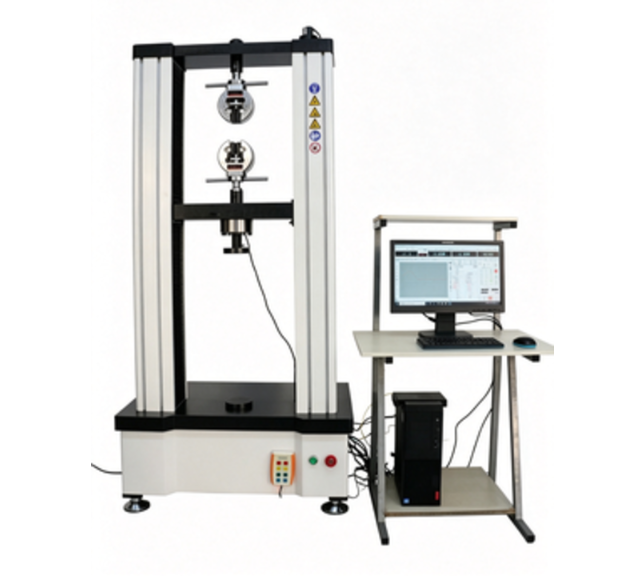
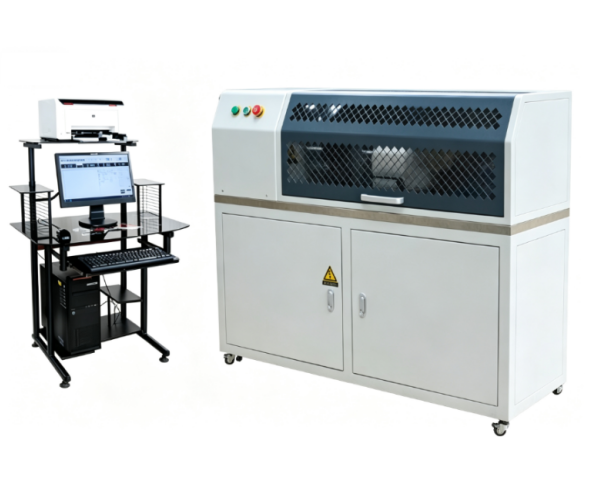
Multi-Functional Friction and Wear Tester
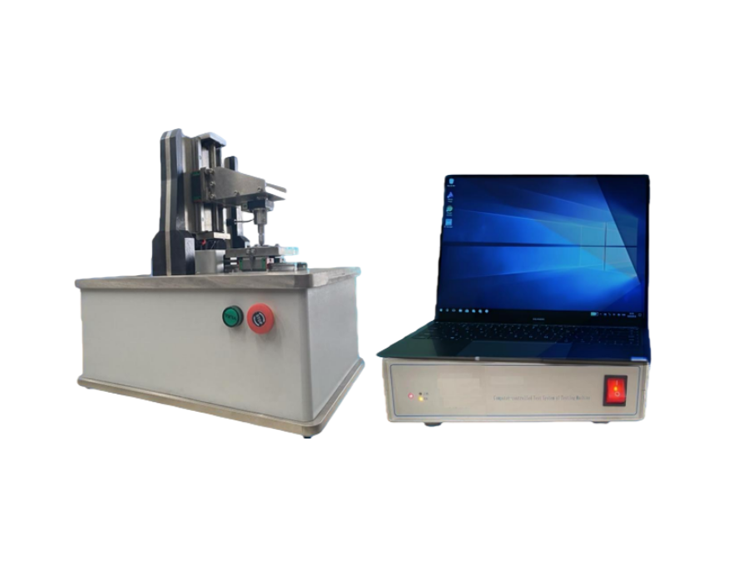


The Multi-Functional Friction and Wear Tester is a versatile instrument designed to evaluate the friction and wear performance of materials, surface coatings, and components. With support for a wide range of loads and rotational speeds, this tester can conduct both ball-on-disk and pin-on-disk tests. It complies with international testing standards such as GB, ISO, and ASTM.
This tester is computer-controlled for monitoring and automatically records essential parameters like friction coefficient, friction force, load, and torque, which are displayed in real-time in both data and graphical formats. An optional environmental control system allows for testing under adjustable temperature and atmosphere conditions.
The Multi-Functional Friction and Wear Tester provides a reliable solution for evaluating friction behavior and wear resistance of materials, coatings, and components. With flexible test configurations, accurate measurement capability, and optional environmental control functions, it supports research laboratories, quality inspection departments, and industrial manufacturers in material development and performance verification.
Application
The Multi-Functional Friction and Wear Tester is ideal for a broad range of applications:
Material surface processing: Research and evaluation of surface treatments or coatings.
Material failure & reliability: Identifying wear and failure points for improved material design.
Quality control: Used in industrial product quality inspection and ensuring durability and performance.
Wide material compatibility: Suitable for testing materials, coatings, and component surfaces under various frictional conditions.
Standards
(1) GB/T 3960 — Plastic Sliding Friction and Wear Test Methods
(2) GB/T 12444 — Metal Wear Test Methods
(3) GB/T 30732 — Tribological Testing Methods
(4) ISO 7148 — Guidelines for Selecting Friction and Wear Test Conditions
(5) ISO 11093-2 — Method for Friction and Wear Testing of Materials
(6) ASTM G99 — Pin-on-Disk Friction and Wear Test Method
(7) ASTM G133 — Linear Reciprocating Friction and Wear Test Method
(8) ASTM G77 — Block-on-Ring Friction and Wear Test Method
Note: Test parameters are customizable according to the specific standard being followed.
Technical Parameters
| Item | Specification |
|---|---|
| Test Load Range | 10–2000 g (accuracy ±1% F.S) |
| Test Speed | 5–2000 rpm (stepless adjustment) |
| Reciprocating Frequency | 0–20 Hz (optional module) |
| Reciprocating Stroke | 1–25 mm |
| X-axis Travel | 3–25 mm, adjustable |
| Z-axis Height | 0–100 mm, adjustable |
| Friction Diameter | Φ3–Φ50 mm |
| Lower Specimen Size | 10–60 mm, thickness 2–20 mm |
| Upper Specimen Size | Φ3–Φ6 mm, pin length 10–15 mm (customizable) |
| Friction Force Measurement Range | ≤20 N |
| Friction Coefficient Accuracy | 0.2% F.S |
| Heating Module Temperature | Room temperature–220°C |
| Friction Environment (Optional) | Stainless steel or PTFE chamber for liquid friction testing |
| Dimensions | 900×500×700 mm |
| Weight | 60 kg |
Features
Multiple Friction Pair Configurations: Supports ball-on-disk and pin-on-disk tests for various material combinations.
Real-Time Measurement: Displays friction coefficient, friction force, load, torque, and other parameters in real-time.
Adjustable Environmental Control: Allows testing under controlled temperature and atmosphere (optional module).
Wide Load and Speed Range: Offers flexibility for testing a variety of materials and surfaces.
Automatic Safety Shutdown: Ensures reliability with automatic protection in case of parameter overrun.
Modular Design: Includes optional reciprocating and rotary modules for extended testing flexibility.
High Precision: Friction coefficient accuracy up to 0.2% F.S for precise measurement.
Compact and User-Friendly: Easy to operate and setup, with a comprehensive accessory kit provided for convenience.
Accessories
Main Components:
Multi-functional friction and wear control system
LCD display and main unit
Tool kit, backup files, and user manual
Optional Modules:
Reciprocating Module
Sample Size: 8–35 × 8–60 × 1.5–12 mm
Stroke: 3–25 mm
Frequency: 0.5–20 Hz
Dry Friction Max Load: ≤100 N
Note: Stroke-frequency limits
2 Hz → ≤10 mm
10 Hz → ≤5 mm
30 Hz → ≤3 mm
Rotary Module
Sample Size: Φ10–Φ53 mm, thickness 2–10 mm
Rotation Radius: 3–20 mm
Test Speed: 10–1000 rpm, ±1 rpm
Note on Load-Speed Limits:
3000 rpm → ≤2 N
2000 rpm → ≤5 N
1000 rpm → ≤10 N
500 rpm → ≤20 N
200 rpm → ≤100 N
Test Procedures
Prepare the Sample: Mount the sample according to the chosen friction mode (ball-on-disk, pin-on-disk, etc.).
Set Parameters: Configure test parameters such as load, speed, stroke, frequency, temperature, and lubrication condition.
Start the Test: Initiate the test and monitor real-time results on the display. The system will record friction forces, torque, and temperature throughout the test.
Post-Test Analysis: Once the test is complete, use the software's post-processing features to analyze the data, export it in multiple formats (e.g., txt, xlsx), and generate reports.
Maintenance Information
Cleaning: Regularly clean friction surfaces to prevent buildup of wear particles or contamination.
Calibration: Calibrate the load and displacement sensors periodically to maintain accurate measurements.
Lubrication: Ensure lubrication channels are clean and replenish lubricants as needed for oil-lubricated tests.
Software Updates: Keep the software and firmware up to date for optimal functionality and feature enhancements.
System Checks: Periodically check the temperature control system and verify the stability of components to ensure reliable performance.
FAQ
1.What is this product?
The Multi-Functional Friction and Wear Tester is a highly flexible instrument for evaluating the friction and wear properties of materials, surface coatings, and components.
2.Why is it important?
This tester helps assess the durability and performance of materials under friction and wear conditions, which is crucial for product development and quality assurance in manufacturing.
3.Which industries is it suitable for?
It is suitable for industries such as automotive, aerospace, metallurgy, materials science, and manufacturing.
4.What types of tests can it perform?
It can perform ball-on-disk, pin-on-disk, reciprocating, and rotary friction and wear tests, among others.
5.How should users choose the test load and speed?
Test load and speed should be selected according to material properties, application conditions, and the requirements of the reference standard. Excessive load or speed may cause unrealistic wear behavior, so laboratory engineers should define suitable test parameters before operation.
6.What is the difference between ball-on-disk and pin-on-disk testing methods?
Ball-on-disk testing is commonly used for evaluating coatings and surface films, while pin-on-disk testing is suitable for broader material wear comparisons. The appropriate method depends on the material type, contact condition, and applicable testing standard.
7.Can the equipment perform friction tests under controlled environments?
Yes. With optional environmental modules, the system can support tests under specific temperature or liquid friction conditions. This allows researchers to study how environmental factors influence material friction and wear performance.
8.How should laboratories select a suitable configuration before purchase?
Selection should consider the tested materials, required test methods, load range, speed range, and whether additional modules are needed. For detailed configuration recommendations, please contact QINSUN engineers for professional assistance.
Leave Message Get Price