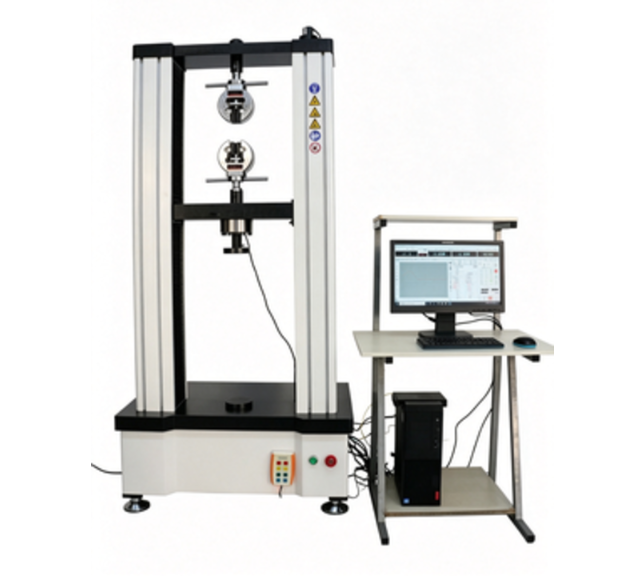
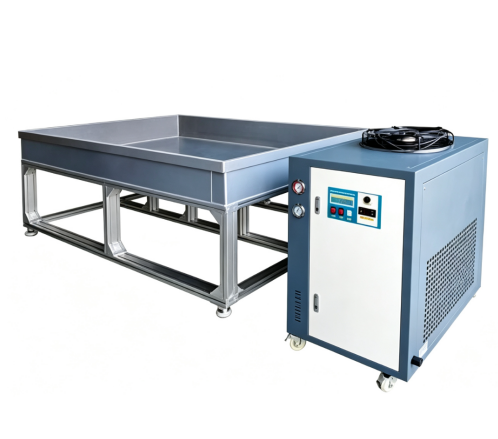
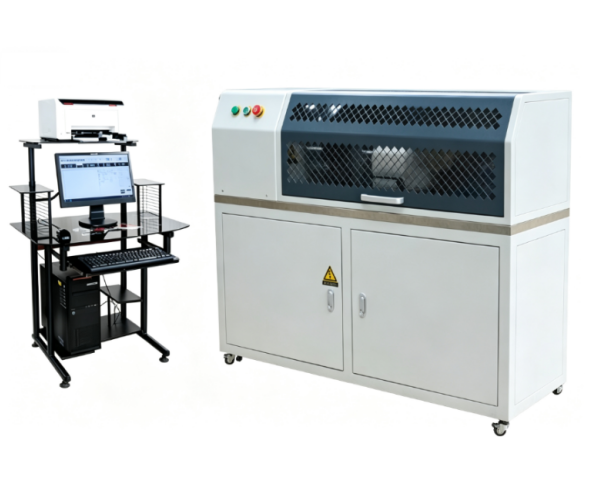
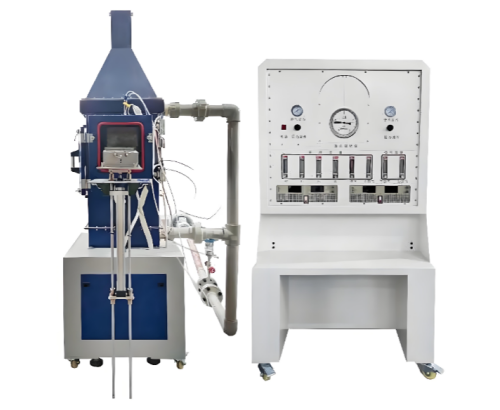
Microcomputer-controlled High-temperature Friction Tester
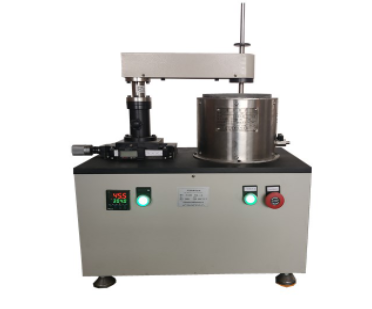


The Microcomputer-controlled High-temperature Friction Testing Machine is a precision tribological testing instrument designed to evaluate friction and wear performance of materials under elevated temperature conditions. The system simulates high-temperature working environments and measures key friction characteristics such as friction force, wear behavior, and lubrication performance. It is suitable for testing metals, ceramics, polymers, coatings, rubber materials, and lubricants, providing reliable data for material development, component design, and quality evaluation in industries such as automotive, aerospace, mechanical manufacturing, and scientific research.
Application
(1) Material Friction and Wear Evaluation
Used to test friction characteristics and wear resistance of metals, non-metallic materials, ceramics, polymers, rubber, and surface coatings under high-temperature conditions.
(2) High-temperature Material Research and Development
Supports development and optimization of heat-resistant materials by analyzing friction behavior under simulated service temperatures.
(3) Lubricant Performance Testing
Used for evaluating lubrication performance, anti-wear properties, and friction characteristics of lubricating oils, hydraulic oils, gear oils, and other lubricating materials at elevated temperatures.
(4) Mechanical Component Reliability Testing
Simulates actual operating conditions of mechanical parts to evaluate durability, wear resistance, and service life.
(5) Automotive Industry Applications
Applicable for testing engine components, transmission parts, and high-temperature friction materials to support material selection and product optimization.
(6) Aerospace Material Evaluation
Used for studying friction behavior of materials and coatings under extreme temperature environments.
(7) Scientific Research and Laboratory Testing
Suitable for universities, research institutes, and industrial laboratories conducting tribology studies.
Standards
(1) GB/T 12583 — Determination of Extreme-pressure Properties of Lubricants (Four-ball Machine Method)
(2) GB/T 3960 — Plastics — Sliding Friction and Wear Test Methods
(3) GB/T 12444 — Metallic Materials — Wear Test Methods
(4) ASTM G99 — Standard Test Method for Wear Testing with a Pin-on-Disk Apparatus
(5) ASTM G133 — Standard Test Method for Linearly Reciprocating Ball-on-Flat Sliding Wear
(6) ASTM G77 — Standard Test Method for Ranking Resistance of Materials to Sliding Wear Using Block-on-Ring Test
(7) ISO 7148 — Tribological Testing Methods for Friction and Wear Evaluation
Note: Specific standards depend on test method, sample material, temperature range, and customer application requirements.
Parameters
| Parameter | Specification |
|---|---|
| Testing Type | High-temperature friction and wear testing |
| Applicable Materials | Metals, ceramics, polymers, rubber, coatings, lubricants |
| Temperature Environment | High-temperature controlled testing environment |
| Testing Items | Friction coefficient, friction force, wear performance |
| Control System | Microcomputer-controlled operation system |
| Data Processing | Automatic data acquisition and analysis |
| Test Conditions | Adjustable according to selected test method |
| Application Mode | Material testing, lubricant evaluation, component reliability testing |
Features
(1) Designed for friction and wear evaluation under high-temperature conditions.
(2) Microcomputer control system enables accurate operation and data recording.
(3) Suitable for various materials including metals, ceramics, polymers, and coatings.
(4) Supports lubricant and oil performance evaluation at elevated temperatures.
(5) Simulates practical working conditions to improve test reliability.
(6) Provides friction performance data for material selection and optimization.
(7) Suitable for research laboratories and industrial quality control.
(8) Stable structure ensures repeatable and reliable test results.
FAQ
(1) What materials can be tested by the high-temperature friction testing machine?
The instrument can evaluate metals, ceramics, polymers, rubber materials, coatings, and other engineering materials. It helps analyze friction coefficient, wear resistance, and performance changes under high-temperature operating conditions.
(2) Why is high-temperature friction testing important?
Many mechanical components operate under elevated temperatures where material friction behavior changes significantly. High-temperature testing helps predict service performance, improve material selection, and enhance product reliability.
(3) Can this tester evaluate lubricant performance?
Yes. The instrument can be used to study friction and anti-wear properties of lubricating oils, hydraulic oils, gear oils, and other lubricants under controlled high-temperature conditions.
(4) Which standards are commonly referenced for friction and wear testing?
Common references include GB/T 12583, GB/T 3960, ASTM G99, ASTM G133, and ASTM G77. The selected standard depends on the material type, test method, and application requirements.
(5) How should I select a suitable high-temperature friction tester?
Selection depends on required temperature range, test method, sample material, load conditions, and applicable standards. QINSUN instruments are calibrated and tested before shipment to ensure data accuracy. For customized solutions, technical support, and customer application cases, please contact QINSUN engineers for professional guidance.
Leave Message Get Price