MARK-II Anti-Slip Testing Machine
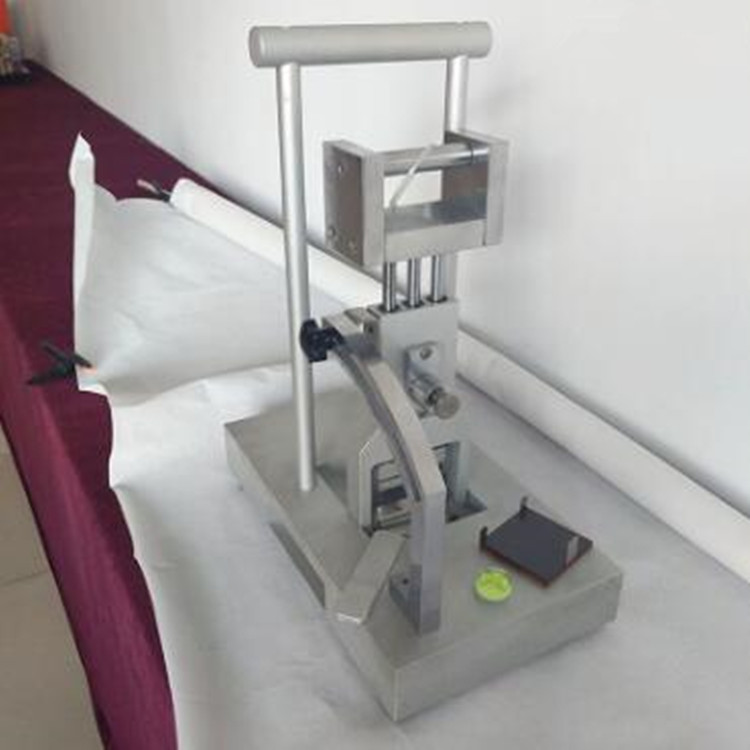


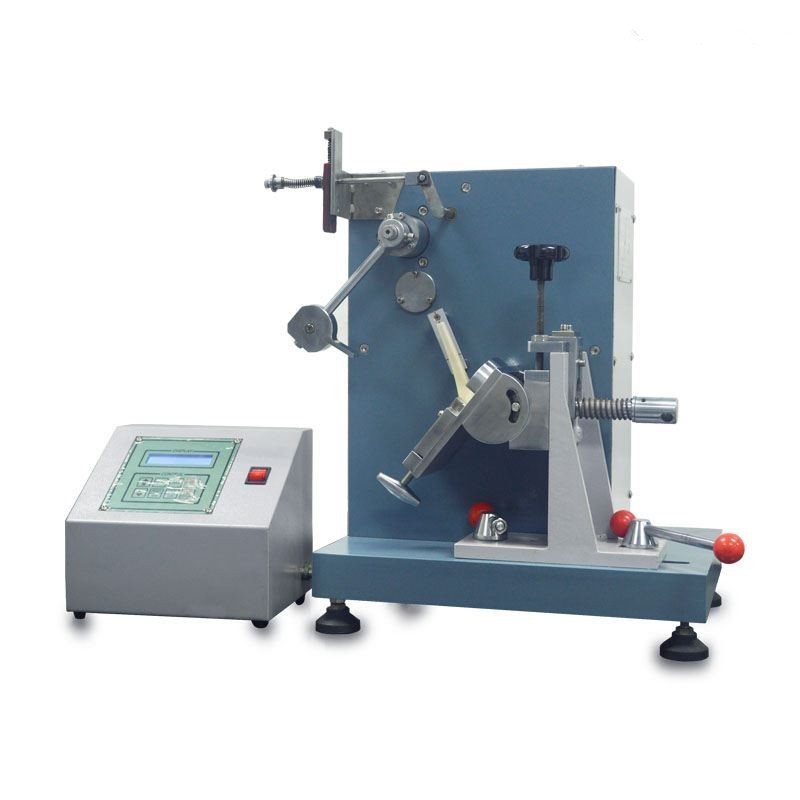
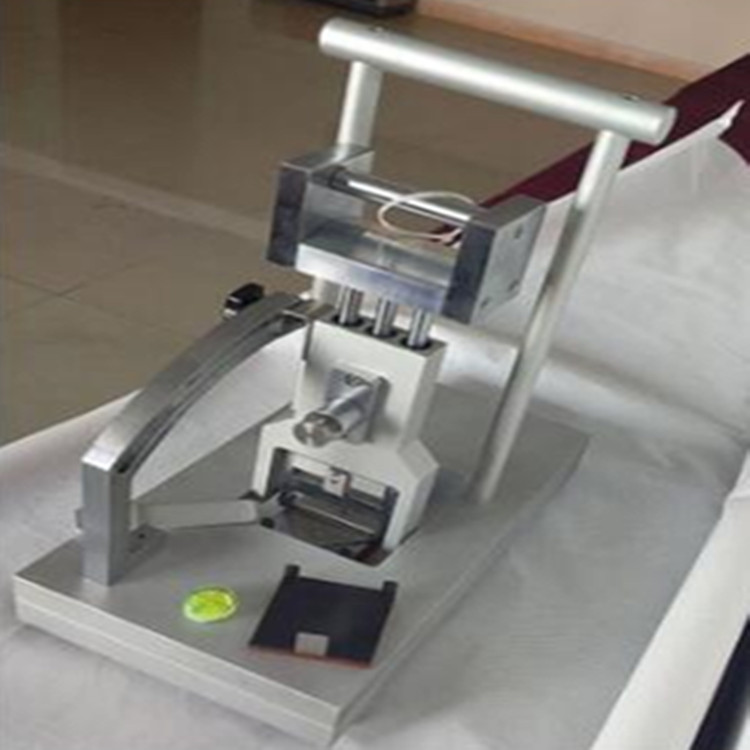
The MARK-II Anti-Slip Testing Machine is designed to evaluate the static friction coefficient between shoe sole materials and floor surfaces. It uses an inclined-frame testing method to determine the frictional resistance of a specimen immediately before sliding occurs.
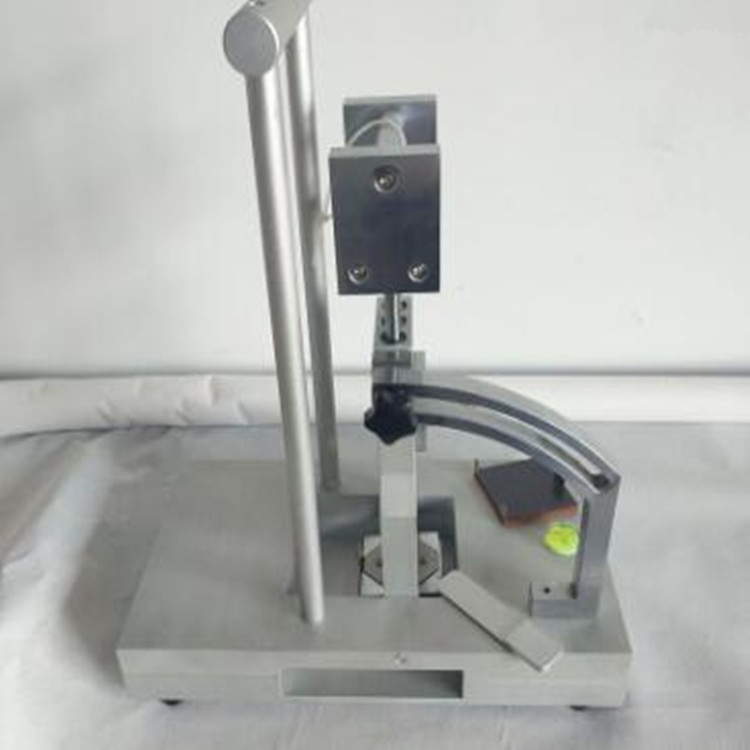
During testing, a cut specimen is attached to the test fixture and pressed against a horizontal floor surface under a specified load. The rotating support frame is gradually tilted, increasing the horizontal force acting on the specimen until it begins to slide. The static coefficient of friction is then determined according to the test method.
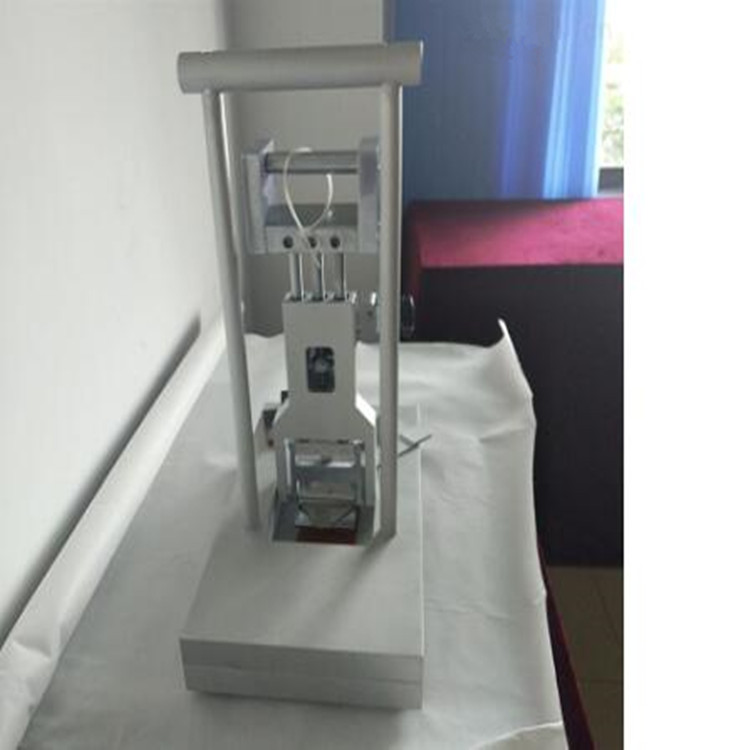
The instrument features a simple mechanical structure and a portable design. It is suitable for comparing footwear sole materials and evaluating their slip-resistance characteristics during product development and quality control.
Application
(1) Rubber shoe soles and outsole materials.
(2) Plastic and polymer-based sole materials.
(3) Footwear outsole compounds and material formulations.
(4) Comparative evaluation of shoe sole slip resistance.
(5) Footwear material research and development.
(6) Quality inspection of shoe sole materials and footwear products.
Standards
ASTM F1677-05 — Standard Test Method for Using a Portable Inclineable Articulated Strut Slip Tester (PIAST)
Parameters
| Parameter | Specification |
|---|---|
| Specimen size | (76 ± 1) × (76 ± 1) mm |
| Test load | 10 lb (approximately 44.5 N) |
| Test surface requirement | Horizontal floor surface |
| Measurement principle | Inclined-frame method for determining static coefficient of friction |
| Test endpoint | Onset of specimen sliding |
| Dimensions | 40 × 22 × 39 cm |
Features
(1) Evaluates static friction between shoe sole materials and floor surfaces.
(2) Uses an inclined-frame mechanism to increase horizontal force gradually until the specimen slides.
(3) Supports standardized specimens measuring 76 × 76 mm.
(4) Applies a specified test load of 10 lb.
(5) Features a simple mechanical testing structure.
(6) Supports comparative assessment of outsole materials and formulations.
(7) Compact design for convenient laboratory placement and storage.
(8) Suitable for footwear material development and quality control.
Leave Message Get Price