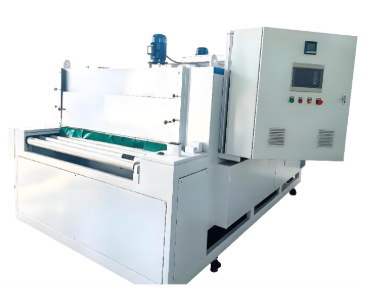
Horizontal Paper Tensile Strength Testing Machine
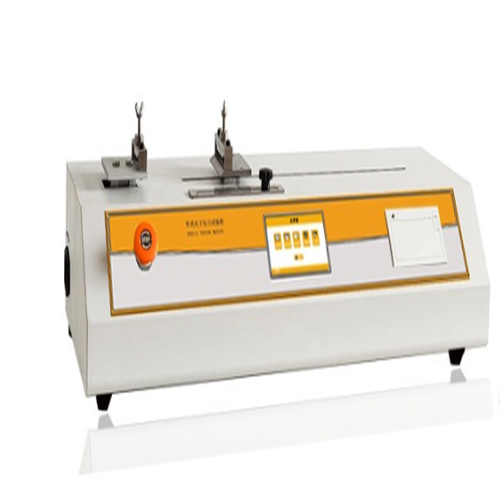


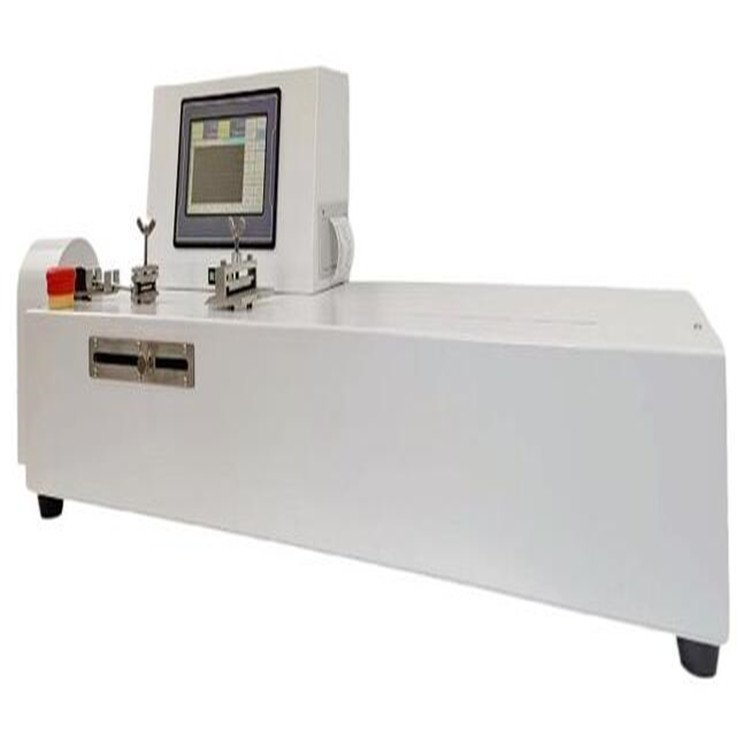
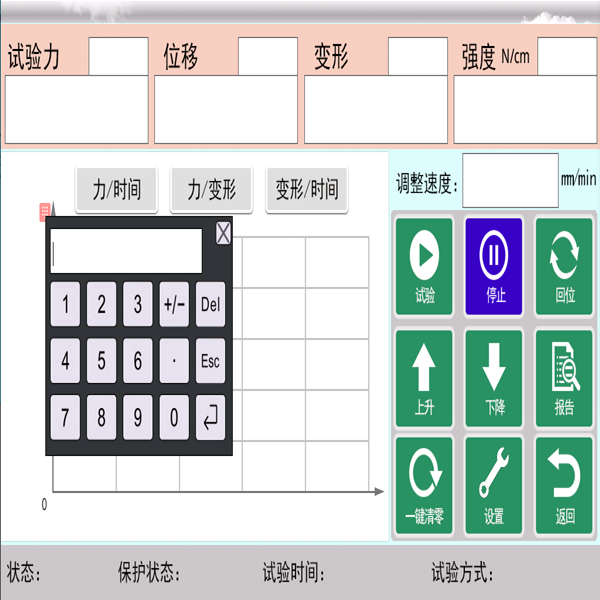
G103C horizontal tensile strength tester adopts paper tensile strength software, which is a paper resistance tester for measuring the tensile strength, tensile strength and tensile energy absorption of paper and cardboard, paper towels, wipes and other similar thin sheet materials. Suitable for all kinds of paper, electrolytic aluminum, release paper, release film, isolation paper, Glassine silicone oil paper, protective film, transfer film, composite film, tape, adhesive and other products (measuring tensile strength, peeling force, tensile strength, peeling strength, elongation, breaking length, tensile energy absorption, tensile index, tensile energy absorption index) high-precision test.
Application
Paper and paperboard: printing paper, packaging board, specialty paper
Tissue products: paper towels, wipes, sanitary paper
Functional films: release film, protective film, transfer film
Coated materials: release paper, glassine paper, silicone-coated paper
Flexible packaging: composite films, adhesive tapes
Industrial materials: aluminum foil laminates and similar thin sheet products
Standards
ISO 1924 "Determination of tensile strength of paper and board"
GB/T 12914 "Determination of tensile strength of paper and board (constant rate tensile method)"
ISO 1924-2 Paper and board - Determination of tensile strength - Part 2: Constant rate drawing method
Technical parameters
Load measurement range: 0.03-30N, 0.05-50N, 0.2-100N, 0.4-200N, 0.5-300N
Force separation rate: 0.001N
Displacement separation rate: 0.001mm
Loading speed: 1-500mm/min(other speed is adjustable)
Sample width: 0-30mm
Travel: 400mm+
Power: 60W
Power supply: 220V 50Hz
Dimensions: 280mm×150mm×800mm (approx.)
Environmental requirements: Temperature 10-35 ℃, humidity 20-80%
Features
(1) Horizontal structure reduces specimen sagging and improves accuracy for thin materials
(2) High-resolution force and displacement measurement for precise results
(3) Wide load range to accommodate different material strengths
(4) Adjustable test speed to meet various standard requirements
(5) Dedicated software supports multiple tensile performance indices
(6) Stable operation ensures repeatable and reliable data
FAQ
(1) Why use a horizontal tensile structure for paper testing?
Thin materials such as tissue or film are prone to sagging in vertical setups, which may affect alignment and results. A horizontal structure minimizes this effect, improving measurement accuracy and repeatability.
(2) What is the significance of tensile energy absorption?
Tensile energy absorption reflects the material’s ability to absorb energy before breaking. It is especially important for packaging and flexible materials where resistance to sudden stress is required.
(3) How is tensile strength calculated in standard methods?
According to ISO 1924, tensile strength is calculated by dividing the maximum force by the specimen width. Results are typically expressed in N/m or kN/m for comparison across materials.
(4) How should test speed be selected?
Test speed should follow the specified standard, such as constant rate of elongation in ISO 1924-2. Incorrect speed can affect elongation and strength values, leading to inconsistent results.
(5) What factors affect test accuracy?
Key factors include specimen preparation, environmental conditions, clamp alignment, and calibration status. Consistent sample conditioning and proper setup are essential for reliable results. For detailed guidance, contact QINSUN engineers.
Leave Message Get Price